
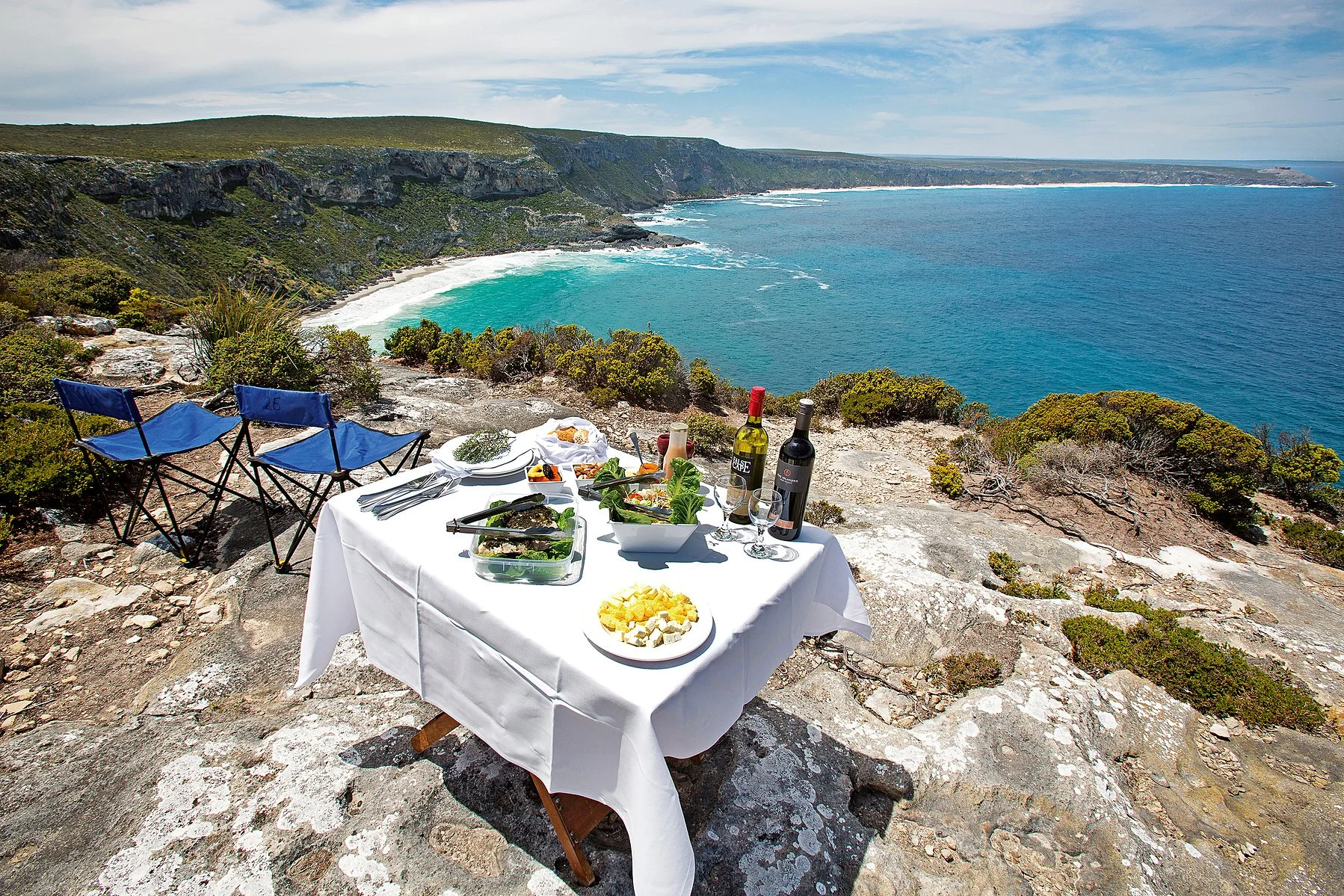
ECO Certified at the Advanced level, Exceptional Kangaroo Island offer luxury small group and private island and wildlife tours and were one of the pilot businesses in developing Ecotourism Australia’s original certification scheme.
Ecotourism Australia is celebrating 35 years of advancing sustainable tourism, from its beginnings as a regional association to its role as a globally recognised peak body.
Established in November 1991 as the Ecotourism Association of the Indo Pacific Region, the not-for-profit now certifies around 2,500 tourism operators across Australia and the Pacific. Its programs are recognised by Booking.com, Google, Travalyst and ABTA.
The organisation was behind the world’s first national ecotourism certification program, launched in 1996. It went on to establish ECO Destination Certification in 2018 and Sustainable Tourism Certification in 2022, extending its work to businesses beyond nature-based tourism.
Ecotourism Australia is also a founding member and inaugural chair of the global Tourism Sustainability Certifications Alliance. Its members collectively certify more than 19,000 tourism businesses, organisations and destinations worldwide.
People behind the progress
CEO Elissa Keenan said the people and businesses who shaped Ecotourism Australia and the wider sustainable tourism movement had been central to its achievements.
“From the early pioneers who recognised that tourism could play a positive role in protecting our natural and cultural heritage, to the passionate small and family-owned businesses that led the way in demonstrating global best practice, their commitment and leadership have been central to the organisation's success,” Ms Keenan said.
“Today, that legacy continues through a growing community of certified operators, from small regional businesses to some of Australia's largest tourism and hospitality groups, all demonstrating that sustainability is not defined by the size of a business, but by its commitment to meaningful action and continuous improvement.
“Together, they have helped establish Australia as a global leader in sustainable tourism and continue to raise the standard for the industry.”
The anniversary celebrations will continue into 2027, marking 30 years since Ecotourism Australia awarded the world’s first ECO Certification to a tourism operator.
“This next milestone will provide another opportunity to recognise the pioneering operators who helped establish a global benchmark for ecotourism, celebrate the businesses that have maintained their commitment over decades, and reflect on the enduring role of independent certification in shaping a more sustainable tourism industry.”
Certification in a changing landscape
As scrutiny of environmental claims increases and the European Union’s Empowering Consumers for the Green Transition Directive changes expectations for sustainability communication, Ms Keenan said independent certification remained important.
“The pioneers who established Ecotourism Australia and its certification program were ahead of their time, and the thousands of people and businesses who have contributed to our journey since have built on that vision,” Ms Keenan said.
“While the landscape has changed enormously since 1991, the fundamentals of credible certification have not.
“Strong standards, independent verification, evidence-based assessment and continuous improvement. That is what we were built on, and it is what we will continue to stand for.”
From pioneering the world’s first national ecotourism certification program to supporting 2,500 certified operators, Ecotourism Australia reflects on the people and principles shaping a more sustainable tourism industry.
The organisation plans to grow its certified community across Australia and the Pacific, advocate for government policies that support credible sustainability and continue working with the Tourism Sustainability Certifications Alliance to strengthen global standards.
“As scrutiny of environmental claims intensifies worldwide and regulation continues to evolve, the role of independent, third-party certified certification has never been more critical,” she said.
“We will keep raising the bar for credible, practical and impactful sustainable tourism in Australia and globally to support our industry’s long-term viability, protect the natural and cultural assets it depends on, and to help local communities thrive.”
New chair looks to the future
Caroline Densley, Owner and Director of Diverse Travel Australia, was recently appointed Chair of Ecotourism Australia’s Board. She said she was honoured to lead the organisation as it marked the anniversary and looked ahead.
“It’s an honour to chair Ecotourism Australia’s Board at such an exciting time as we not only reach this significant milestone, but also look ahead to the future,” Ms Densley said.
“Our 35-year anniversary speaks to the enduring relevance of what our organisation set out to do, and to how much the sustainable tourism movement has grown around us since.”
Ms Densley acknowledged the organisation’s Life Members, Hall of Fame operators who have maintained certification for 20 years, and Green Travel Leaders who have demonstrated their commitment for more than a decade.
“We particularly acknowledge our Life Members, Hall of Fame operators who have maintained certification for 20 years, and Green Travel Leaders who have demonstrated that same commitment for more than a decade,” she said.
“We also extend our sincere thanks to the many volunteer Directors, past and present, industry leaders, partners and friends who have generously contributed their time, expertise and support over the years.
Their collective contribution has helped shape the organisation we are today and laid the foundations for the next generation of sustainable tourism leadership.”
Looking to Ecotourism Australia’s next chapter, Ms Densley said sustainability needed to be central to tourism businesses, destination management and the way Australia presents itself internationally.
“We want to help more businesses achieve ECO and Sustainable Tourism Certification and work with government to embed sustainability in the policies that shape our industry,” Ms Densley said.
“Strengthening partnerships here and overseas, particularly in the Pacific, expanding our relationships with First Nations communities and championing our certified operators will be key priorities.
Ultimately, sustainable tourism is about delivering lasting benefits for businesses and communities while protecting the natural and cultural places that make our destinations special.”

ECO Certified at the Advanced level, Binna Burra Lodge were early pioneers who recognised that tourism could play a positive role in protecting our natural and cultural heritage.