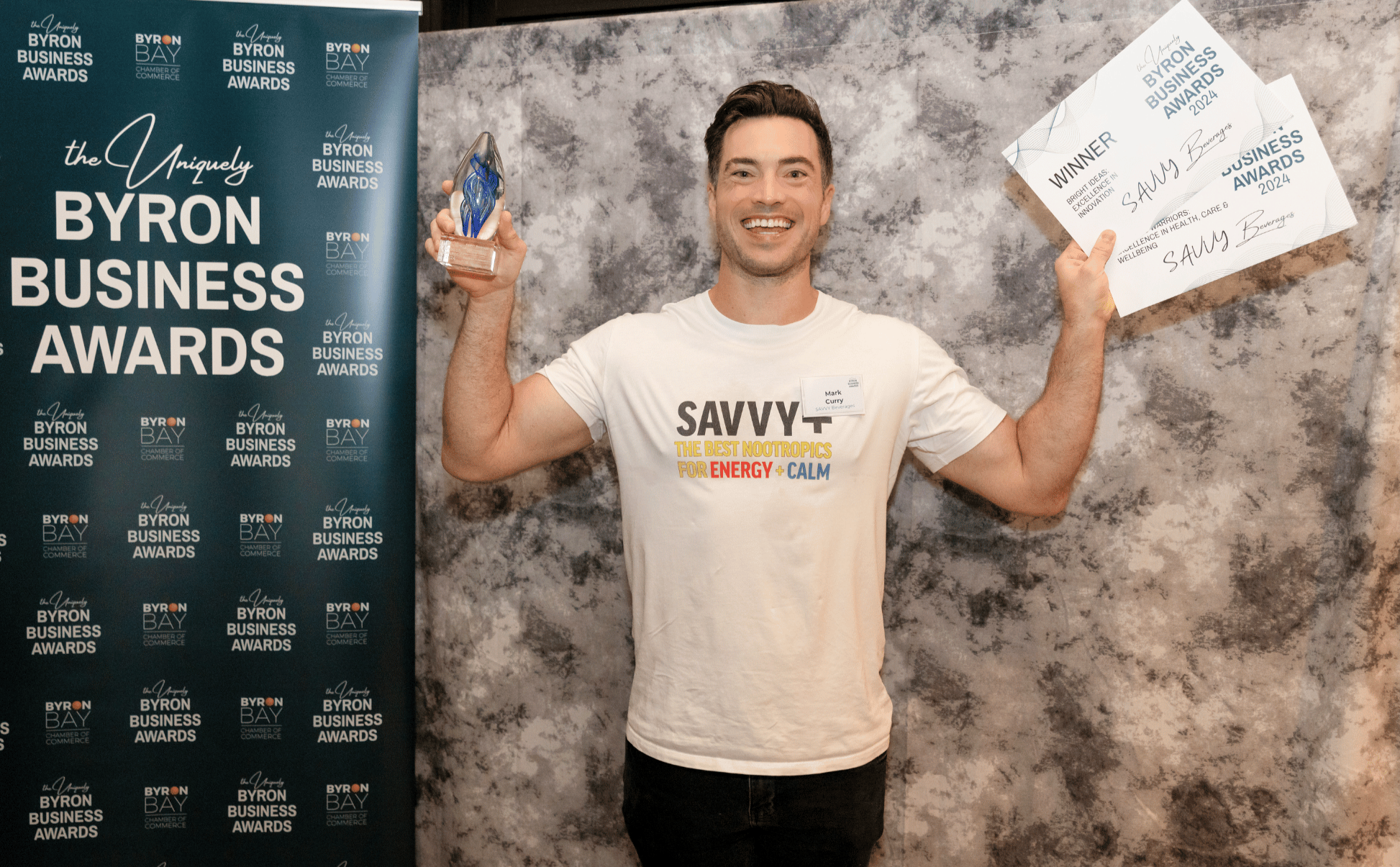
Mark Curry on Burnout, Balance and Building Savvy
Mark Curry didn’t set out to build a wellness company - in fact, it began with the opposite.
Like many high performers, he found himself on a path that looked successful from the outside but felt increasingly unsustainable within. Long days in law, constant pressure and the quiet creep of burnout led him to question not just his own lifestyle, but the broader culture of pushing through at all costs. What followed wasn’t a business plan, but a personal search for a better way to think, work and feel.
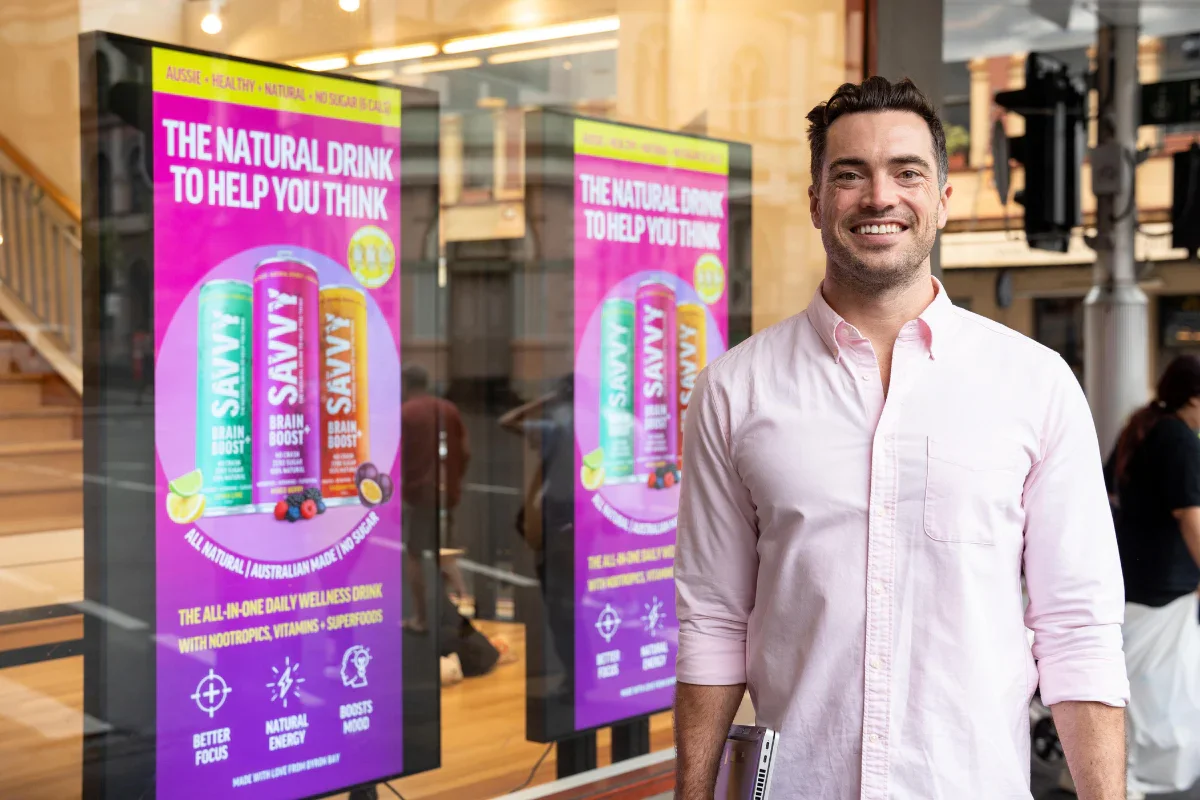
That search became Savvy - a Byron Bay–born response to modern stress, grounded in the idea that clarity, calm and resilience shouldn’t come at the expense of your health.
We spoke with Mark about burnout, the normalisation of stress and why he believes success is shifting away from pushing harder and towards feeling better.
You started your career in law before moving into nutrition and wellness. What was the turning point that made you change direction?
Burnout. Working in the Supreme Court and navigating various high-pressure law rotations, I thought I was on a path to make a positive impact. Instead, the reality was chronic stress and long hours. I looked around and saw my colleagues exhausted, relying heavily on caffeine just to survive the day, which only led to more anxiety and mood swings. That was my turning point. I realised I couldn't sustain that lifestyle, and burnout forced me to reassess. I thought, "Surely there are ingredients to improve the brain, not just the body." That curiosity pushed me to retrain in nutrition, despite my student debt, to find a better way. This was a huge catalyst to find change.
You’ve spoken about burnout and the pressure of constantly pushing through. Do you think modern life has normalised being stressed and exhausted?
Absolutely in certain environments. In corporate environments like law and tech, exhaustion is often treated as a badge of honour. We've normalised running on empty and using temporary fixes like traditional, sugar-laden energy drinks or excessive coffee to mask the fatigue. When I was practicing law, stress wasn't the exception; it was the baseline. The functional beverage industry has historically catered to this, dominated by products designed to just make you push harder and get things done at all costs. But that constant "fight or flight" state isn't sustainable. It's why I'm so passionate about advocating for mental fitness and resilience. I want to normalise mental health and wellbeing being a priority, and something we can talk about.
Savvy began from homemade blends shared with friends and colleagues rather than a business plan. Did you ever intend to start a company, or did it grow naturally from people needing something different?
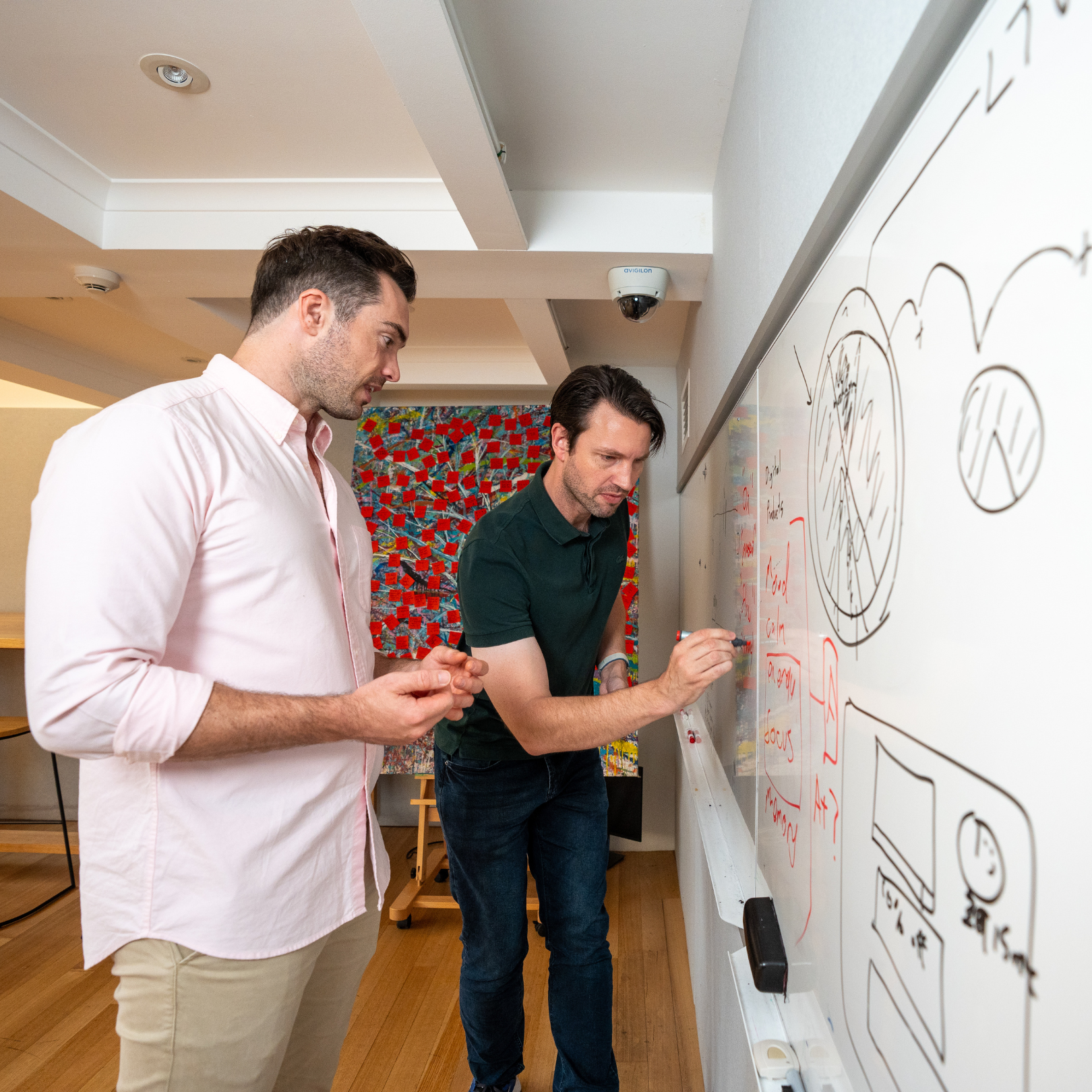
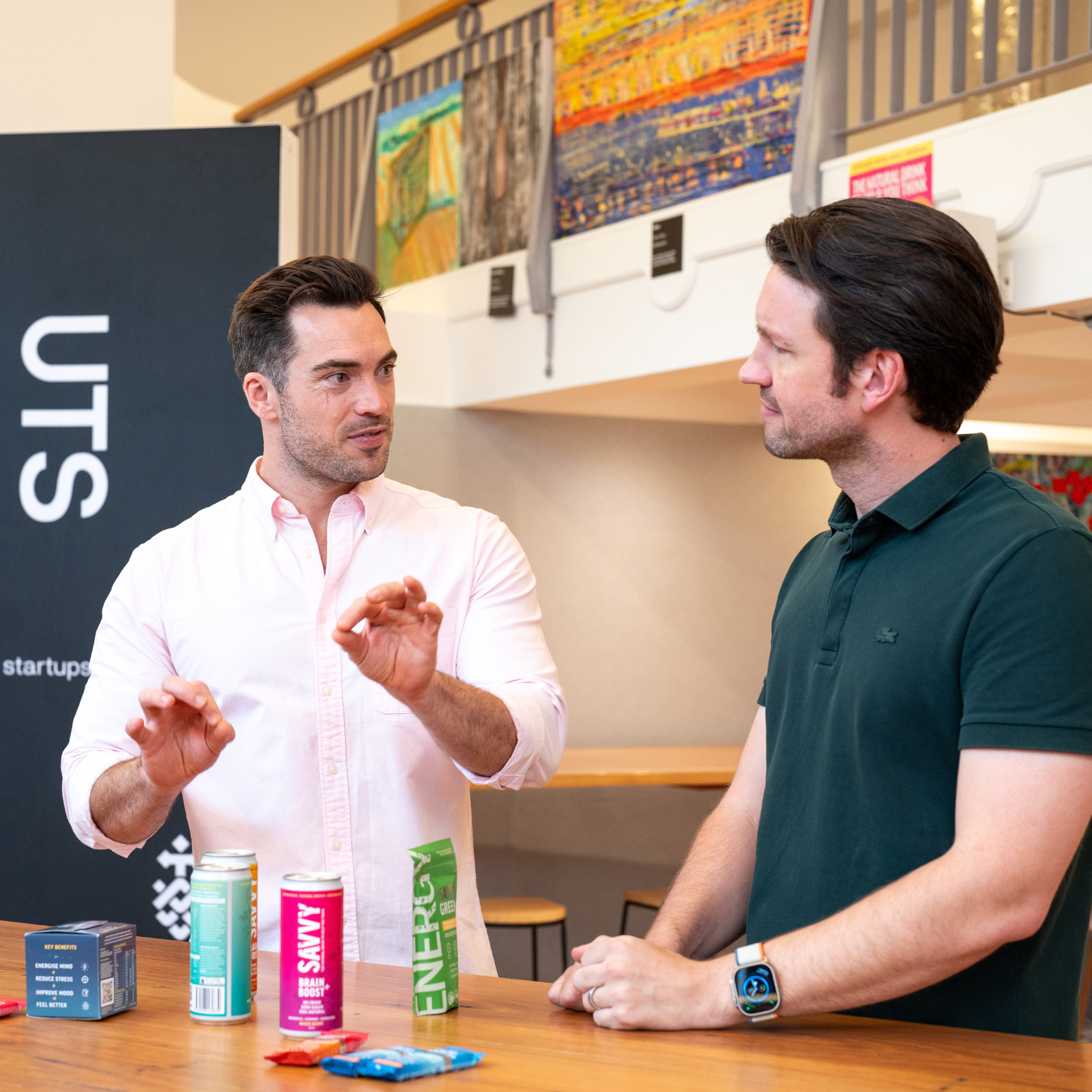
I absolutely never intended to start a business. I had zero idea what I was doing. It was never meant to be a business; it was a personal project to solve my own problem. I spent my evenings researching ways to improve my own mental health through nutrition, nootropics, and adaptogens. Some commonly known ones like Ashwagandha, Panax Ginseng, Lions Mane Mushroom, and also some lesser-known ones too like Noopept. After years of trial and error, I created a 22-ingredient powder that actually worked without the crash. When I brought it to the law firm, my colleagues started asking for my "brain boost potion." I realised there were literally no options like this on the market. Seeing how much it helped everyone to manage stress while staying focused was wonderful. Everyone could balance their mental performance and mental health with the right ingredients. Seeing this eventually pushed me to take a leap, and start SAVVY.
Byron Bay has a strong culture around health, balance and alternative ways of living. How has living and working in Byron influenced your thinking and the direction of your work?
Byron Bay’s ethos aligns perfectly with what Savvy is all about: natural wellness, balance, and a holistic approach to life. Being based here constantly reminds me of why I left the high-pressure city. It keeps me grounded and focused on creating products that are genuinely good for you. It influences our uncompromising approach to quality, like spending months making sure our Savvy Cola gets its rich colour naturally from black tea instead of artificial dyes. (fun fact: we’re the only cola that does that). The culture here reinforces the idea that nature provides the best tools for mental clarity and stress resilience without synthetic chemicals.
Your work focuses a lot on the nervous system, stress and mental clarity. Why do you think so many people today feel overwhelmed or mentally overloaded?
We are processing more information in a single day than previous generations did in a lifetime. On top of that, the demands of modern workplaces are immense. People are constantly connected, leading to a perpetual state of stress that drains the nervous system. When you combine that mental overload with poor nutrition and the crash-and-burn cycle of standard caffeine, it's a recipe for overwhelm. That’s exactly why 2024 data showed that people in Australia are actively looking for ways to be calmer. They are tired of just being artificially "energised"; they want balance and resilience to handle the daily overload without burning out.
There’s often a cultural idea that success comes from pushing harder, working longer and doing more. Do you think that idea is changing?
It is definitely changing, though it takes time. The concept of working smarter and not harder is becoming a more attractive idea. When I first pitched Savvy back in 2017, the functional space was small, and the focus was entirely on all-out energy. Now, there's a massive shift. People are realising that working longer doesn't mean working better. The tide is turning toward mental health, sustainable performance, and working smarter. Many offices that stock our drinks, like Smart Energy, Stab Magazine, law firms, accounting firms, and tech companies like Google are starting to understand that supporting their team's mental wellbeing actually yields much better long-term success than just pushing them to the absolute brink.What have you personally learned about balance, health and life through building Savvy?
I’ve learned that true health isn't just about the absence of illness; it's about optimising your mind and body to handle whatever life throws at you. Building a business while being in debt, delivering drinks out of the boot of my car, and navigating imposter syndrome was incredibly stressful. I had to practice what I preach. I learned to lean on my community, and that asking for help isn't a weakness. Most importantly, I’ve learned that taking care of your mental fitness is the ultimate foundation. You can’t pour from an empty cup.
If you could give one piece of advice to people who feel constantly busy, stressed or burnt out, what would it be?
Stop relying on borrowed energy that you have to pay back with a crash. Excessive caffeine from coffee, energy drinks, soda, yerba mate, matcha or cacao will give you a quick spike, but they leave your nervous system more depleted than before. Instead, look at how you are fuelling your brain. Incorporate science-backed nutrition, nootropics, and adaptogens that build your resilience to stress over time. And don't be afraid to take a step back and reassess, just like I had to do with my law career. Prioritise your mental fitness, listen to your body, and remember that protecting and nourishing your brain and mental health is the most productive thing you can do.