
The Byron Bay Aesthetic: Sustainable Craft in Every Package
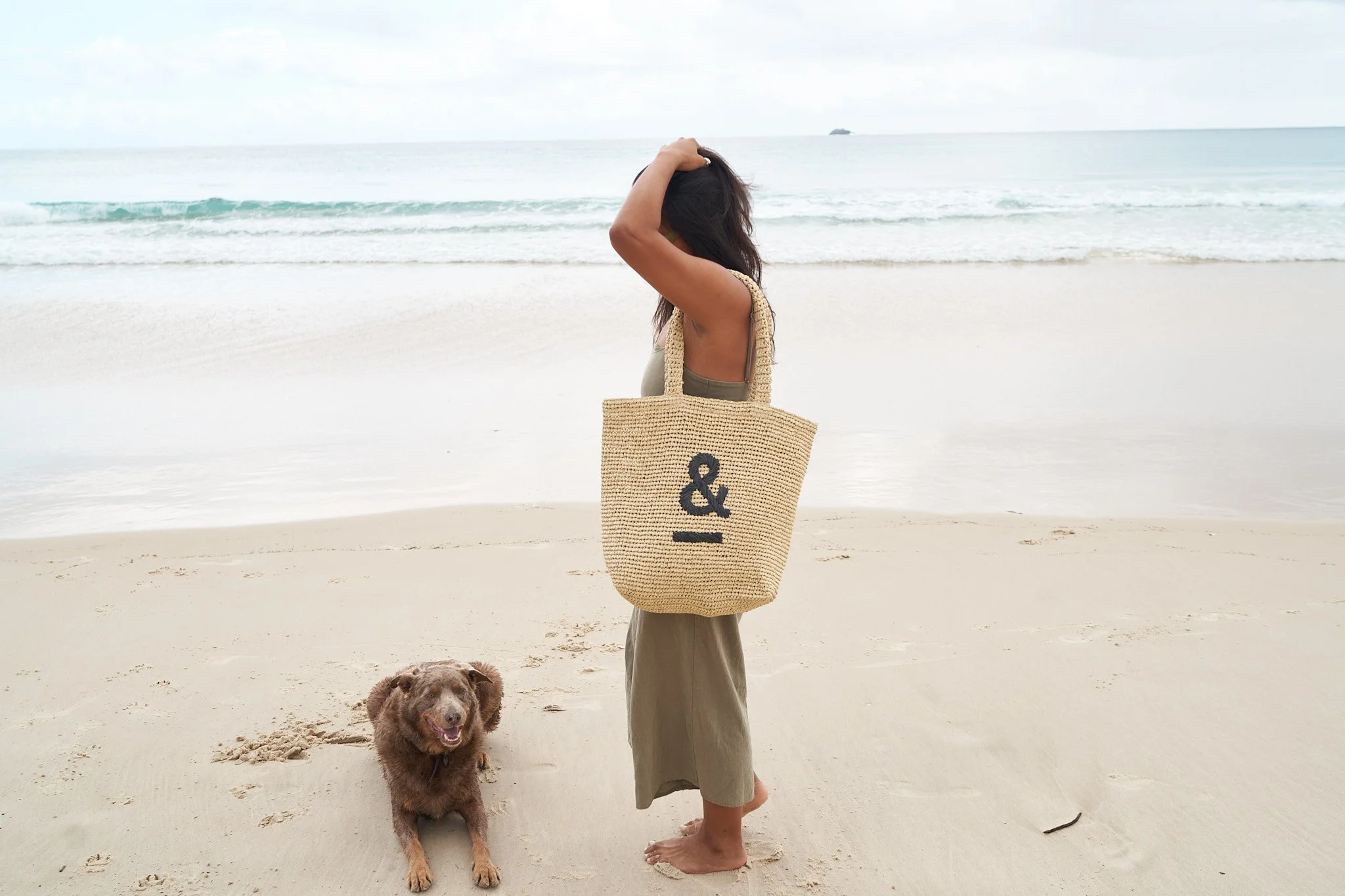
Photo by Seed & Sprout
Story by Justin Bennett
In the heart of the Northern Rivers, the local business community has redefined what it means to present a product to the world. For Byron Bay makers, the box is not just a container but a tactile extension of the creative process that happens inside the studio or workshop. This philosophy centres on the idea that every layer of wrapping should tell a story of intentionality, environmental stewardship and regional identity.
Why Presentation Defines the Byron Brand
The Byron Bay market scene is a testament to the power of first impressions. When a customer picks up a handmade ceramic bowl or a bottle of botanical oil, the physical experience begins with the texture of the paper and the weight of the parcel.
Local artisans understand that presentation is a silent ambassador for their brand identity. It communicates values without saying a word. In a region known for its natural beauty, using excessive plastic or generic materials feels like a disconnect from the local ethos. Instead, makers are turning to recycled cardstocks, plant-based inks and compostable fillers that mirror the organic nature of their goods.
The Conscious Unboxing Experience
A thoughtful unboxing experience does more than look good on social media. It builds a bridge of trust between the creator and the consumer. This is especially vital for businesses moving into wholesale distribution or online retail. When a package arrives at a doorstep in Sydney or Melbourne, it carries the spirit of Byron Bay with it. To ensure this experience remains premium, local businesses are adopting sustainable packaging trends for 2026 to meet the growing demand for eco-friendly shipping solutions.
The 4-Touchpoint Consistency Model
To maintain a cohesive brand presence, many local makers follow what can be called the 4-Touchpoint Consistency Model. This framework ensures that every stage of the physical interaction reinforces the core values of the business:
Tactile Texture: Choosing materials that feel premium and natural, such as linen ties or thick kraft paper.
Visual Storytelling: Using custom stamps or minimalist labels that reflect the brand’s unique colour palette.
Protective Integrity: Ensuring the product arrives in perfect condition through smart structural design.
The Final Detail: Adding a small, unexpected element like a handwritten note or a sprig of dried local flora.
Balancing Protection with Professionalism
While the creative side of packaging gets much of the glory, the practical side is what keeps a business profitable. Fragile goods like pottery, glass-bottled apothecary items and timber furniture require rigorous stabilisation during transit. Damage during shipping is not only a financial loss but a blow to a brand’s reputation for reliability. Small businesses are increasingly looking at industrial-grade tools to secure their bulk shipments.
For those sending pallets to boutiques or heavy bundles to markets, using high-quality PET strapping solutions provides the necessary tension to keep goods immobile without the bulk of traditional metal bands. This choice reflects a commitment to professionalism and ensures that the creative work inside remains unharmed by the vibrations of the road.
From recycled wraps to premium unboxing experiences, Byron Bay makers are redefining packaging as part of the creative process, blending sustainability, storytelling and smart design to protect both their products and the planet.
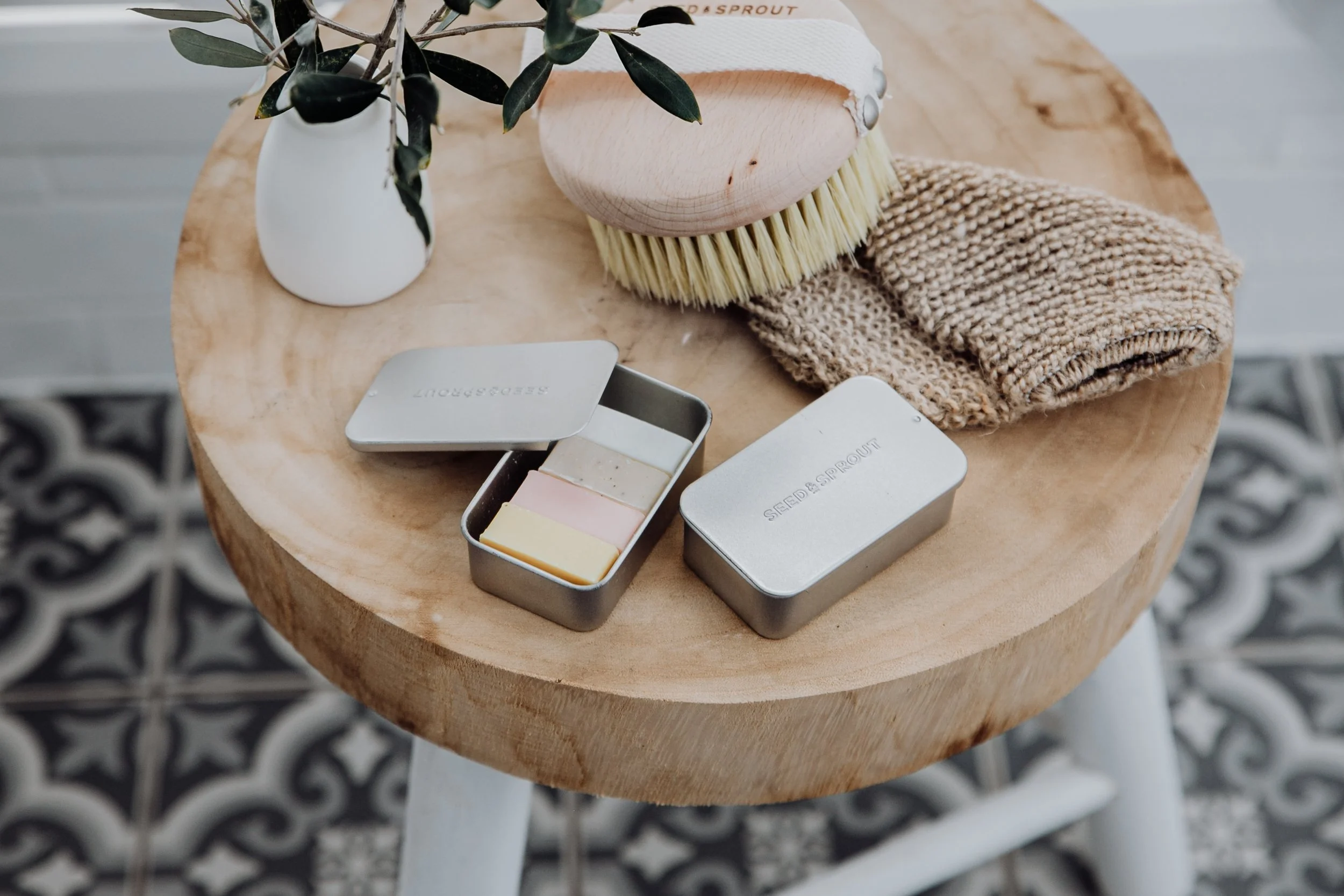
Photo by Seed & Sprout
Comparing Traditional and Modern Byron Packaging
Feature Traditional Commercial Style Byron Bay Creative Style
Primary Material Virgin plastic and gloss finishes Recycled fibres and matte textures
Protection Method Oversized boxes and foam peanuts Custom inserts and honeycomb paper
Brand Messaging Mass-produced and generic Artisan focused and storytelling
End of Life Landfill bound Home compostable or recyclable
Scaling Through Creative Wholesale
As a small business grows, the challenge lies in maintaining that “handmade” feel while increasing volume. Transitioning from individual market sales to wholesale distribution requires a shift in mindset. Packaging must be stackable, durable and easily identifiable in a busy warehouse. Creative makers are finding ways to use essential tools for craft sellers to streamline their operations while keeping their unique aesthetic intact. By viewing logistics as a part of the creative journey, businesses can expand their reach without losing their soul.
How to Audit Your Current Packaging
Assess the environmental footprint of every layer.
Test the “drop durability” of your current box design.
Check if your branding is visible from all angles of the parcel.
Evaluate the time it takes to pack a single order for efficiency.
Gather feedback from customers on the ease of disposal.
Securing the Future of Local Goods
The journey from a Byron Bay workshop to a customer’s home involves many hands and many miles. Ensuring that the product is secured properly is a sign of respect for the craft. High-value items require specialised care, and understanding packaging for the circular economy helps business owners navigate the legalities of shipping and labelling.
Furthermore, staying updated on brand loyalty and packaging quality allows local makers to remain competitive in a global market. Even the most practical elements, such as the tension of a strap or the thickness of a corrugated wall, are part of the brand’s promise of quality. For those looking to refine their supply chain, exploring advanced material handling trends can provide a significant edge in operational speed.
Frequently Asked Questions
What are the best eco-friendly alternatives to bubble wrap for fragile items? Many Byron makers use honeycomb paper or shredded recycled cardboard, which provides excellent cushioning without the environmental impact of plastic.
How can I make my shipping boxes look more professional on a budget? A custom-designed rubber stamp used with soy-based ink allows you to brand generic kraft boxes at a fraction of the cost of custom printing.
Is PET strapping better than steel strapping for medium-sized businesses? PET strapping is often preferred because it is safer to handle, more cost-effective and has better elastic recovery for loads that might settle during transport.
Does sustainable packaging really influence Byron Bay consumer choices? Research indicates that local residents and tourists are significantly more likely to support brands that demonstrate a clear commitment to plastic-free operations.
How do I ensure my wholesale orders are not damaged in transit? Utilise structural inserts and high-tension bundling tools to ensure there is zero movement within the master carton during the shipping process.
The evolution of packaging in Byron Bay reflects a wider shift toward conscious commerce. By blending the rugged durability needed for transport with the delicate artistry of the region, local businesses are proving that practicality and creativity are not mutually exclusive. When a product is protected, presented beautifully and shipped responsibly, it elevates the entire community’s reputation for excellence.
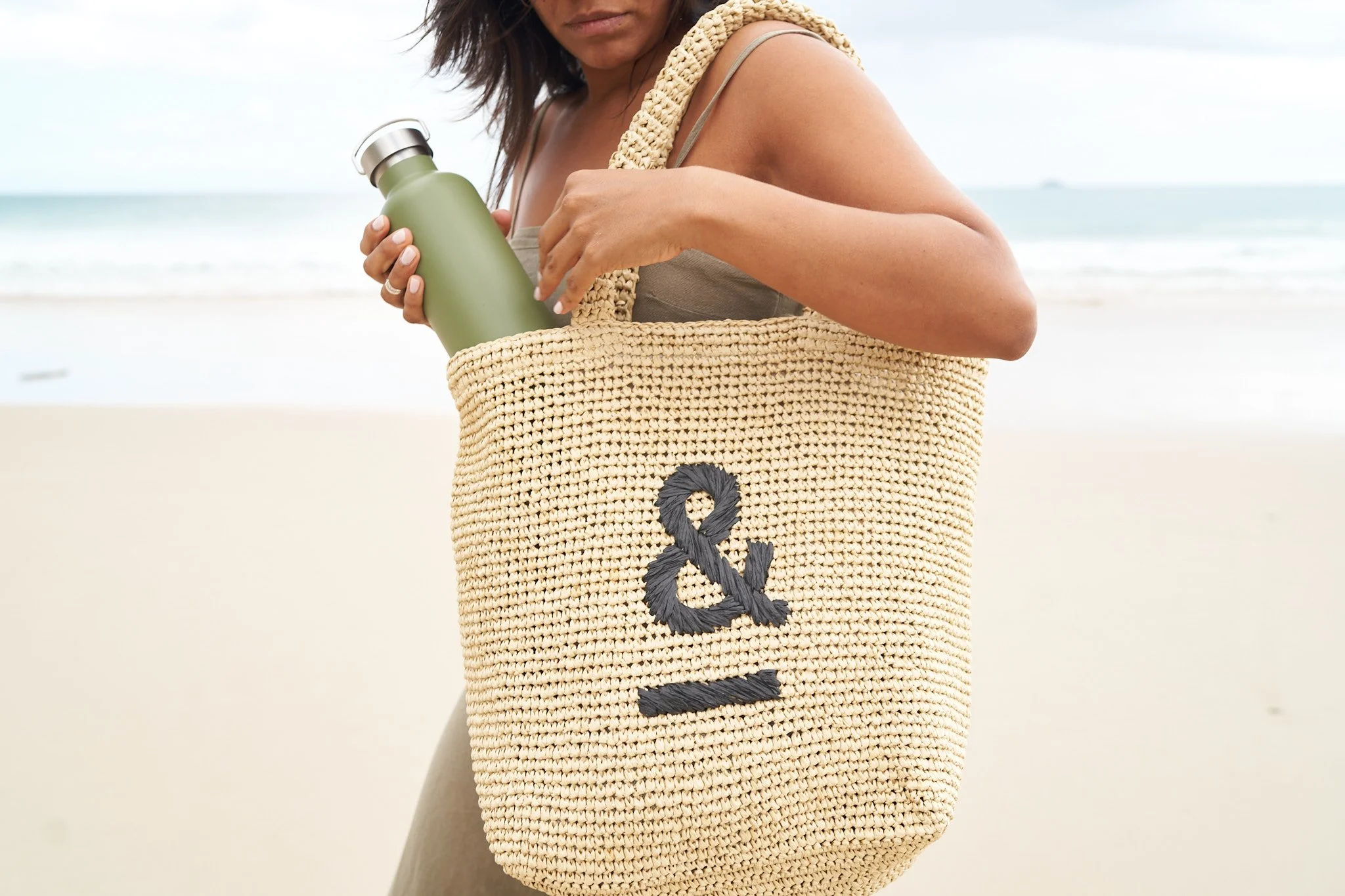
Photo by Seed & Sprout
Justin Bennett is an author and the creator of Healthy Fit, which collects valuable fitness resources.