
The Midlife Pleasure Revival: Practical and Soulful Pelvic Health for Women
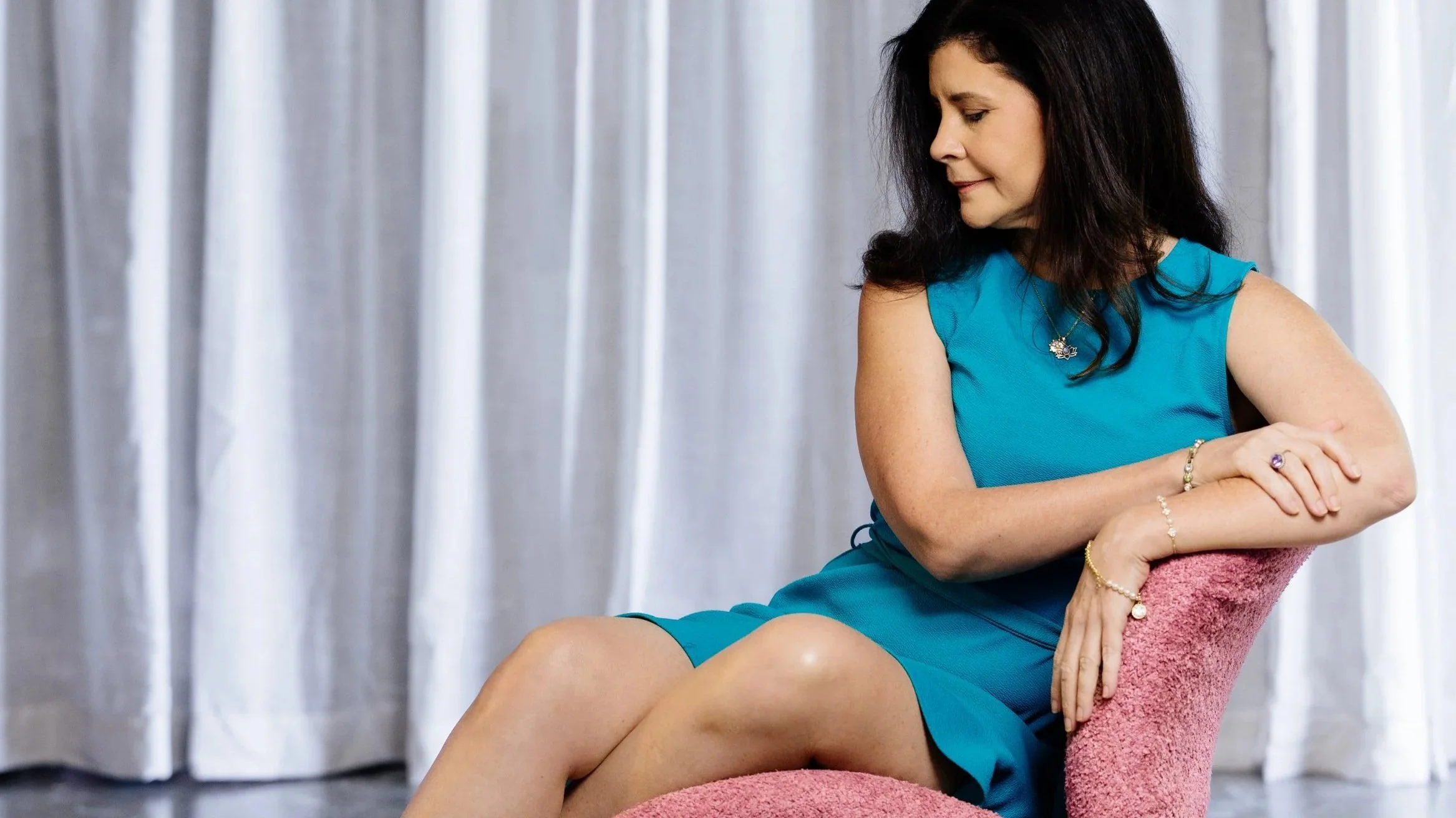
By Lisa Fitzpatrick, Physiotherapist and Pelvic & Sexual Health Educator
A Northern Rivers physiotherapist shares how women can navigate midlife body changes, care for their pelvic health and rediscover pleasure on their own terms.
There’s something magical about living in the Northern Rivers. Where we might find ourselves walking barefoot on the shifting sand at a beach being kissed by salty breezes or languishing in a dappled sunlit park tuning into a myriad of bird sounds. We live in a textured, sensual place. Where beauty and paradise underpin the fabric of our existence. It is special to live in this stunning place. Where health is as much a priority as can become, at times, an obsession.
Yet so many women reach midlife feeling increasingly distant from the sensuality of their bodies. In a region where wellbeing is woven into daily life, it can be disheartening to feel disconnected or to suffer from troubling symptoms, despite doing all the ‘right’ things for our health.
Sleep may become elusive and unpredictable. Once loved clothes start feeling uncomfortable. Intimacy may start to feel different and the pelvic floor can feel less reliable. Desire and libido may start disappearing underground. For someone who values the sensual life, midlife can come with changes that often bring them in to my physiotherapy clinic.
After more than three decades as a physiotherapist with a special interest in women’s wellbeing, I would love women to know that their body’s changes deserve care, attention and support. Physical changes related to midlife might initially feel overwhelming. Especially for women who have identified strongly with wellness. But change leaves so much possibility for more hopeful and holy destinations: a renewed relationship with pleasure.
The relationship with pleasure and desire in midlife, begins with listening to the body’s signals. Because desire may be less spontaneous and may require conscious choice and curiosity, different questions need to be asked. Questions like, ‘What do I really want?’, ‘What turns me on now?’ and ‘How can I stay curious to these changes enough to engage new ways of feeling good?’
Creating space for pleasure
The word pleasure can feel confronting. Many women have spent years in service to other people’s comfort and wellbeing: their children, parents, friends and partners. Women spend the greater part of their lives attending to others, keeping households running and juggling multiple needs. They’ll often squeeze their own needs into whatever space remains. When pressed about what might feel pleasurable, a lot of women find it easier to list things that need fixing.
Pleasure might be redefined as a long, savoured glass of water, followed by a stretch in the kitchen while a kettle boils, or a sneaky midday swim at the beach. It might involve massaging with your favourite body oil after a warm shower. Although it might feel defiant, it could be allowing yourself to rest without earning it first. It might also include sexual intimacy either alone or with a partner. Pleasure belongs equally to women who are single, partnered, sexually active or those not even interested in sex.
There is no age limit for rediscovering pleasure and desire. A midlife pleasure revival can begin with a few easy questions: What would feel nourishing to me today? What would bring me back to myself?
For some women, the answer is touch, whether it’s a massage, some bodywork or gentle intimacy. For other women, it may be an afternoon nap, a coffee in solitude, or an honest, heartfelt conversation with a loved one. The answer gives us information about the person we are becoming. It’s perfectly ok to embrace the changes of midlife.
Understanding what has changed
Menopause brings physical changes that can affect comfort. These changes often impact confidence in the body too. Falling oestrogen levels might contribute to vaginal dryness, irritation and painful sex and urinary symptoms. These changes are often grouped under the term genitourinary syndrome of menopause or GSM. They are common but not spoken about enough, due to their taboo nature. The important thing is that help is available.
Lubricants can reduce friction during sexual activity to improve comfort, while vaginal moisturisers might support comfort between encounters. A prescribing doctor can also discuss whether topical local vaginal oestrogen or another treatment is appropriate for you. Persistent symptoms need assessment rather than an assumption that everything is ‘just menopause’.
When intimacy hurts, pushing through pain can cause a secondary response in pelvic floor muscles and nervous system guarding, which makes it harder to feel desire or to fully relax the next time. Comfortable touch, closeness and affection can continue in whatever ways feel welcome without allowing pain to encroach on the experience. It is important to pause, explain what you are experiencing and seek support, whilst finding alternative ways to experience closeness.
You don’t need to wait until the problem feels severe enough to have a consultation with your doctor or pelvic floor physiotherapist. A simple way of describing this to a health practitioner would be, ‘I’m having some changes that are affecting my comfort levels during intimacy and I would like support.’
Getting to know your pelvic floor
The pelvic floor is a sling-shaped group of muscles at the base of the pelvis that help to support three pelvic organs – the bladder, bowel and uterus. They also contribute to bladder and bowel control. Most women have heard that they should squeeze these muscles or ‘do Kegels.’ Not enough women have been taught that they also need to learn to release these muscles to experience complete, easeful bowel and bladder emptying, better orgasm and to support intimacy.
A well-functioning pelvic floor can both contract and relax through a generous range of motion. It can also be responsive without being hyper-responsive or overactive. Our state of tension at rest in these muscles can say so much about a woman’s nervous system and whether she is under too much stress. Some women need strengthening; others need help reducing muscle tension or improving coordination.
If you have pelvic pain or painful sex, pelvic floor strengthening exercises may be the opposite of what would benefit you. Individual assessment is usually needed. Our individual history adds up what is known as phenotype. Which really means that what has contributed to your symptoms and what might work for you is different to your best friend or another woman’s. Her overactive pelvic floor muscles may be due to a dangerous relationship and past trauma, and yours might be due to an overemphasis on pilates and intense, high impact exercise and not enough stretching or down-training. It’s important to know that a You Tube clip teaching you pelvic floor exercise may not be factoring in your particular phenotype.
This matters. Women often come into my clinic disheartened, believing they have failed at the exercises they got from social media, even though the exercises may not have been a good fit for their needs in the first place. Leaking, vaginal heaviness, difficulty emptying the bowel or discomfort during intimacy are good reasons to consult a physiotherapist who understands pelvic health.
Assessment can help clarify what is happening. A treatment plan that fits your body can then be monitored over time. You can also ask what an assessment involves before agreeing to it. Internal vaginal examinations are beneficial but are not always 100% necessary and entirely consensual. Your comfort, consent and choices are always the highest priority with a good therapist.
Giving intimacy breathing space and a reframe
Many women judge and compare their midlife sexuality with a younger version of themselves. They remember how desire used to arrive spontaneously and wonder why it no longer arrives in the same ways. However, rather than emulating the past, we can become more curious about what makes intimacy more appealing to us in the here and now.
Maybe you’re in need of more time or privacy. Maybe non-sexual but affectionate contact like hugs and holding hands on a lazy Sunday afternoon is enough. Perhaps there are relationship conversations that have been waiting to be had. This is the hidden opportunity and gift in the changes. You get to reinvent and explore new territory and do it even better in your second season of life.
Try asking yourself: What kind of touch would I like? What would help me to feel comfortable and safe? What would I like to change?
Rather than hoping your partner will mind read what your changing needs are, a simple request like ‘let’s take things at half our usual speed and see how that feels,’ gives a tangible exploration. Consent and the enjoyment of closeness is something that technically should be pressure-free, with a caveat that you can stop whenever you wish.
Confidence in the body you have today
Confidence can grow through small things like asking for help, choosing comfortable movement, defining and voicing a healthy boundary or finding out that something you haven’t tried in a while still feels wonderful. These are ways of taking small steps on behalf of your wellbeing and pleasure.
For women in the Northern Rivers, nature offers so many invitations to reconnect. A walk, a swim or a moment in the garden can bring attention back to sensation. These moments sit comfortably alongside appropriate medical care and pelvic health support. There is simply no need to choose between appreciating and savouring the goodness of our bodies alongside treating symptoms that might be troubling us. You are allowed to give yourself permission to leave behind expectations that have become uncomfortable.
The pleasure revival I hope for is spacious enough to include all of this: care, curiosity, treatment, tenderness and choice. You might begin your own pleasure revival today with one small act of attention. Make room for what you enjoy. Ask for support where you need it.
Your body is still a place where pleasure can be welcomed.
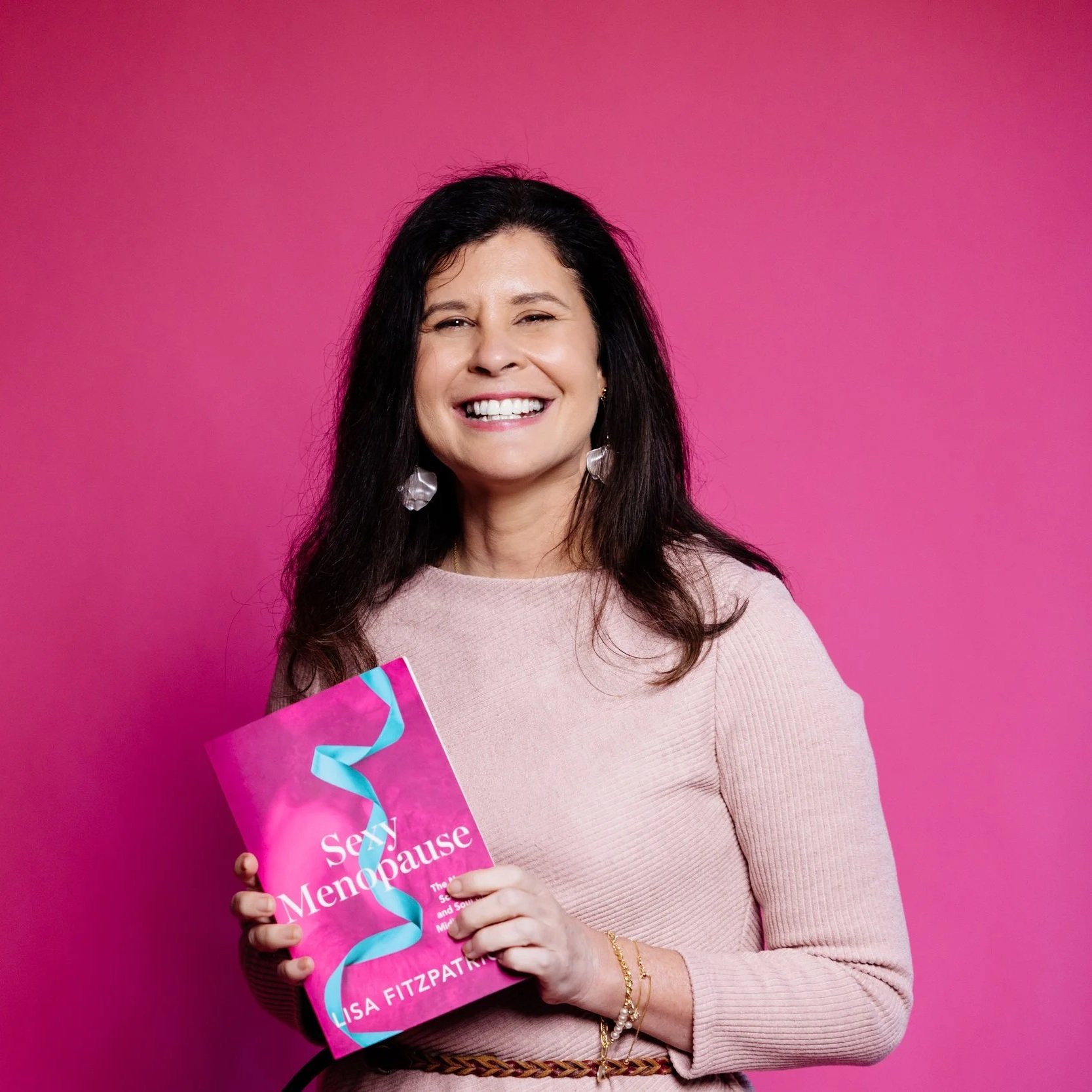
Meet Lisa Fitzpatrick
Lisa Fitzpatrick is a Northern Rivers physiotherapist and pelvic & sexual health educator, and the author of Sexy Menopause. Her work supports women to understand their pelvic health and explore pleasure, body connection and confidence in midlife.
sexymenopause.com | Instagram: @sexy.menopause