
Guardians of the Coast: The Volunteers Rescuing Seabirds and Sea Turtles
By Jen Slape, Assistant General Manager
Australian Seabird and Turtle Rescue
Inside the Ballina sanctuary where volunteers are giving injured marine wildlife a second chance.
Australian Seabird and Turtle Rescue (ASTR) was formed in 1992 when the late Lance Ferris discovered that many of Ballina’s pelicans were injured by fishing tackle. He soon realised that pelicans in other major estuaries throughout NSW were suffering from the same fate. Now a volunteer organisation, ASTR operates from Ballina, where volunteer members rescue and rehabilitate seabirds, shorebirds, sea turtles and sea snakes.
In 2004, the Tony and Lisette Lewis Foundation purchased the five-acre pristine wetland property in Ballina, which has since been developed into a wildlife sanctuary (Wildlife Link) and operating base for the rescue, rehabilitation and educational activities of ASTR. The sanctuary operates an Information Centre where school and community groups attend educational talks to better understand all facets of our facility and the work we carry out.
The Extraordinary Life Journey of Sea Turtles
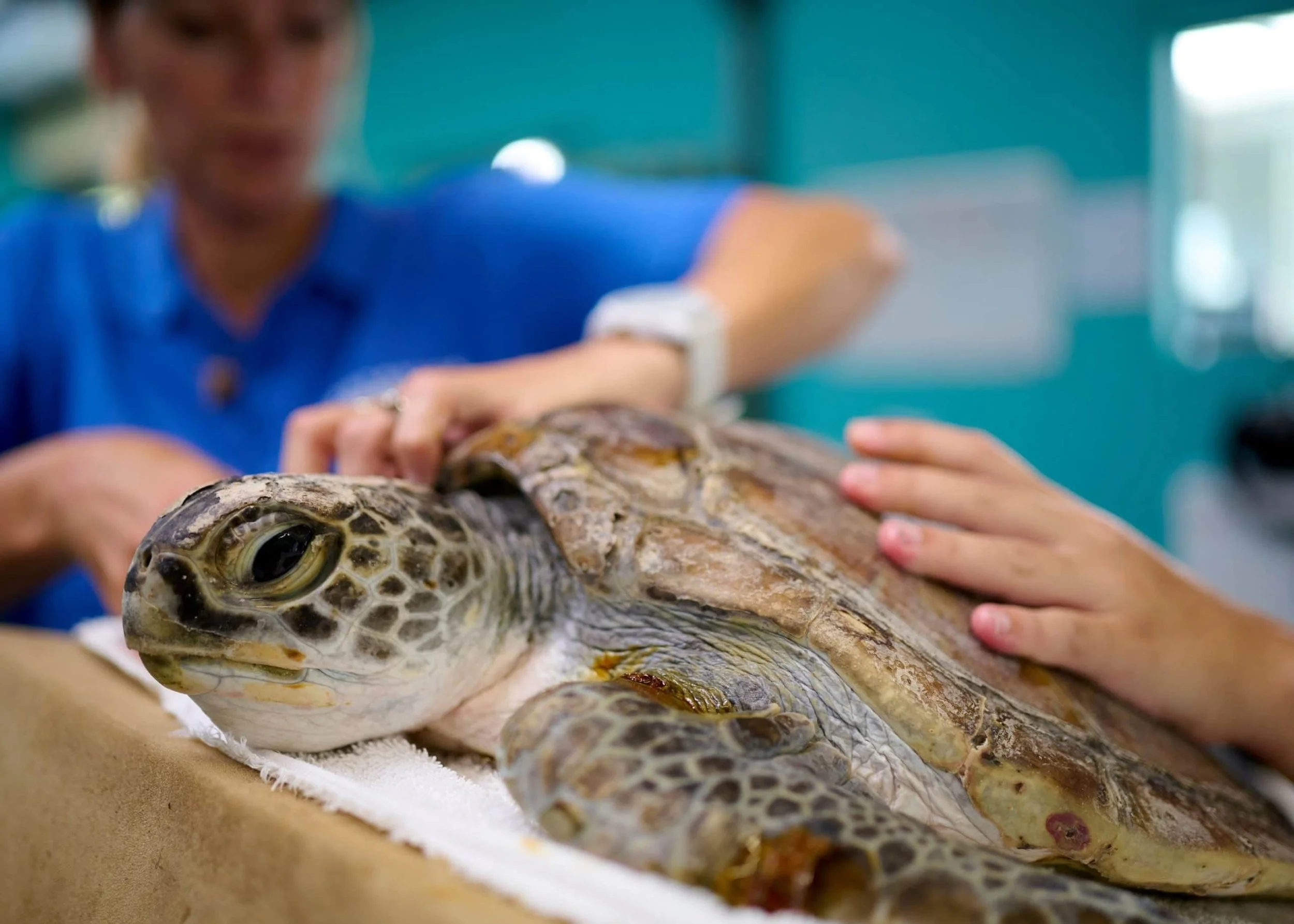
ASTR volunteers attend rescues from the Tweed Coast down to the Sandon, an expansive area. This includes sea turtles, seabirds, shorebirds, sea snakes and turtle hatchlings. The three species that frequent our coastline are the Green Sea Turtle, the Hawksbill and the Loggerhead.
The life cycle of a turtle is one filled with danger - from hatching on beaches where gulls, ghost crabs, dogs, goannas, foxes and humans are waiting, to finally making their way into the ocean where practically anything with a mouth is ready to prey on them.
Next begins their journey as hatchlings to the East Australian Current, where they take refuge under floating seaweed and ride the currents. Some species travel from the east coast of Australia, past New Zealand and across to the South American coast. This period is known as the “lost years”, where there is simply not enough research to pinpoint exactly how long they drift for or what they do. It is thought that once they reach approximately the size of a dinner plate, turtles find a reef that suits them and make that place their new home and foraging ground.
Once they reach sexual maturity (30–50 years), turtles return to the region in which they hatched and begin breeding. If they are female, they will lay their eggs in the vicinity of the same beach where they once raced as hatchlings to the water, evading many predators.
The Growing Pressures Facing Our Marine Turtles
Currently, the most prominent human impact on our marine turtles is climate change and how habitats and foraging grounds are affected by severe weather systems. For instance, since October 2025 we’ve had an influx of turtle strandings, with many presenting with significant malnutrition, which may potentially be attributed to ex- Tropical Cyclone Alfred. It is believed that flooding from low-pressure systems, storms and cyclones causes substantial damage to seagrass meadows, with silt and runoff contributing to this destruction. Seagrass is one of the Green Sea Turtle’s main food sources, and this species is the most common turtle we rehabilitate at ASTR.
Fishing entanglements and plastic ingestion also continue to be major problems for marine turtles. We see a steady stream of patients affected by both. Turtles are simply trying to survive in the ocean, often mistaking plastic for their natural food sources. With recreational fishing taking place in record numbers, marine turtle hook and line entanglement cases are also increasing. Unfortunately, a constant flow of turtle patients with hooks and line injuries occurs far too often.
Each release is just as memorable and rewarding as the next. The greatest reward is having the privilege of seeing each patient transform - in some cases from being deathly unwell - to having a second chance at life.
What does a typical day look like at the Australian Seabird and Turtle Rescue?
Our volunteers arrive on site at 8:30am and begin by feeding our patients, followed by cleaning the tanks - with a little spa treatment for the turtles while their tanks are being cleaned. Weighing, carapace (shell) scrubs, barnacle removal and wound care are just a few of the tasks carried out each day. Similarly, our avian patients require feeding, cleaning and treatment or physiotherapy that varies from case to case. With the sheer volume of patients, we are never twiddling our thumbs at ASTR.
Where do the animals in your care come from?
ASTR covers rescues from the Tweed Coast all the way down to the Sandon, with animals mainly retrieved along shorelines and creeks. In 2025, we even rescued a juvenile Kermadec Petrel after ex-Tropical Cyclone Alfred that had been blown into the car park of Tweed Hospital, of all places.
How are injured or unwell animals retrieved, assessed and treated once they arrive?
Injured or unwell animals are retrieved by our volunteers, who are licensed rescuers. The animals are assessed by ASTR staff and volunteers on admission and are then sent to Byron Bay Wildlife Hospital or Northern Rivers Wildlife Hospital for a full health assessment.
What types of injuries and illnesses are you most commonly seeing?
We see a myriad of illnesses and injuries at ASTR, including malnutrition, collapsed lungs, pneumonia, systemic infection and sepsis. We also treat burrowing barnacles that cause pain and infection, damage to flippers, the carapace (shell) and plastron (underneath), predator attacks, hook ingestion, entanglements (mainly tightly wrapped around flippers), plastic ingestion and microplastic ingestion in post-hatchlings who are approximately 2–3 months old. Sadly, most of the time these hatchlings succumb to plastic ingestion.
What skills and expertise do your staff bring to ASTR, and how do volunteers support your work?
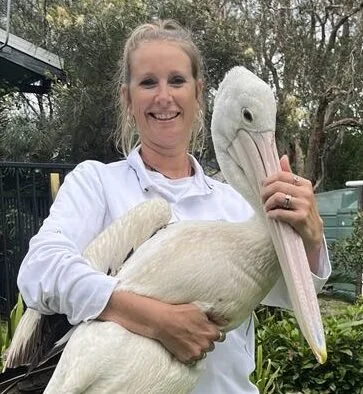
We have Amanda, our General Manager, who is a Marine Scientist, alongside myself Jen, Assistant General Manager and qualified Wildlife Veterinary Nurse, and Phoebe, who is also a qualified Wildlife Veterinary Nurse. Volunteers are a crucial part of our organisation because without them we simply wouldn’t be able to carry out the important work we do, given our patient numbers. We are incredibly busy at any time, both with animal husbandry and administrative tasks.
What are the most memorable or rewarding moments when you’re able to release recovered animals back into the wild?
Each release is just as memorable and rewarding as the next. The greatest reward is having the privilege of seeing each patient transform - in some cases from being deathly unwell - to having a second chance at life. That’s what we’re here for, and seeing animals back in their natural environment again really is the best feeling.
Over the years, what changes have you noticed in the types of injuries you’re seeing and in your rehabilitation outcomes?
There has been a rise in hook and line ingestion and entanglements in both marine turtles and seabirds and shorebirds, as well as a noticeable increase in malnourished patients.
Get involved or donate to Australian Seabird and Turtle Rescue.
Pickles the green sea Turtle
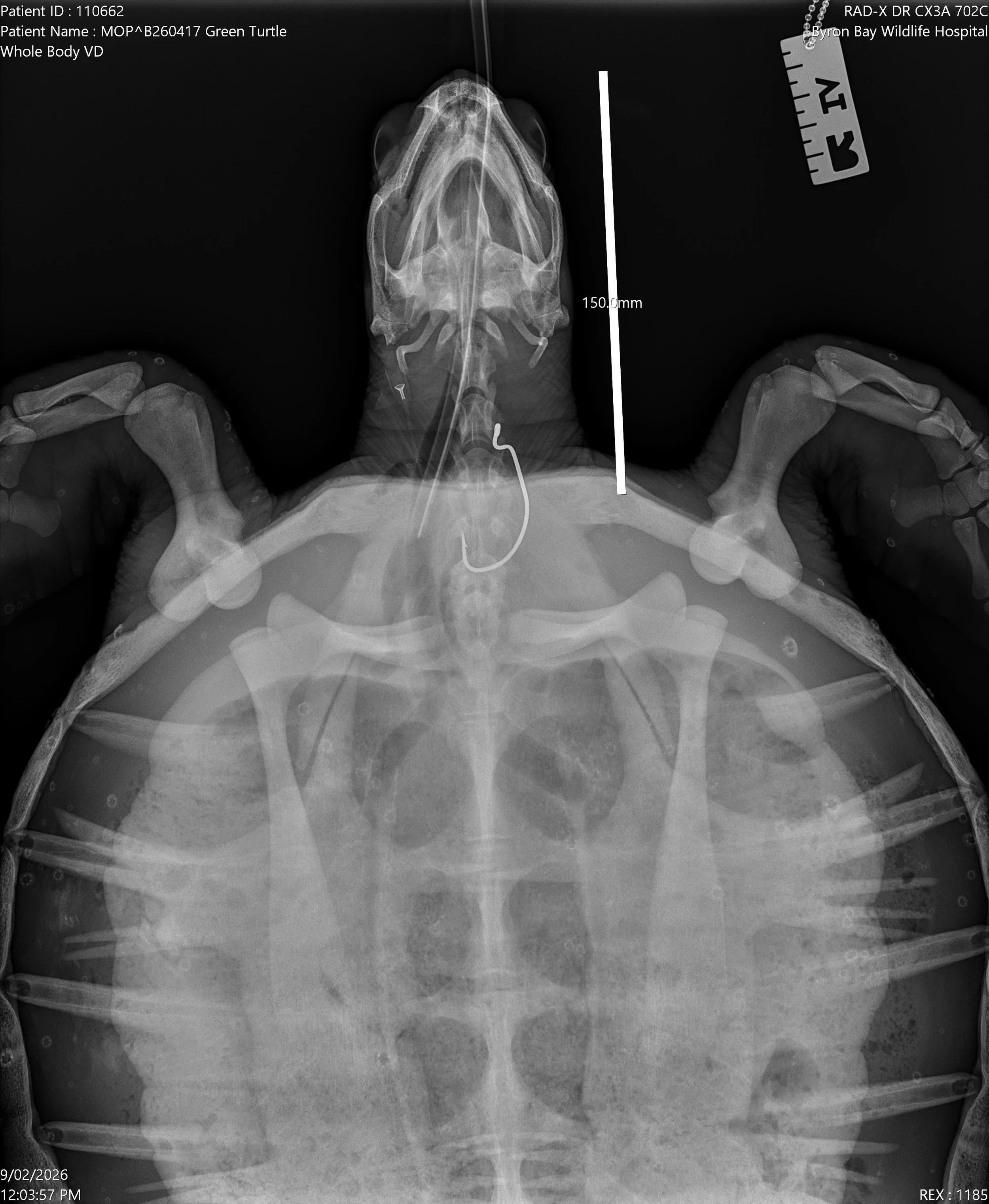
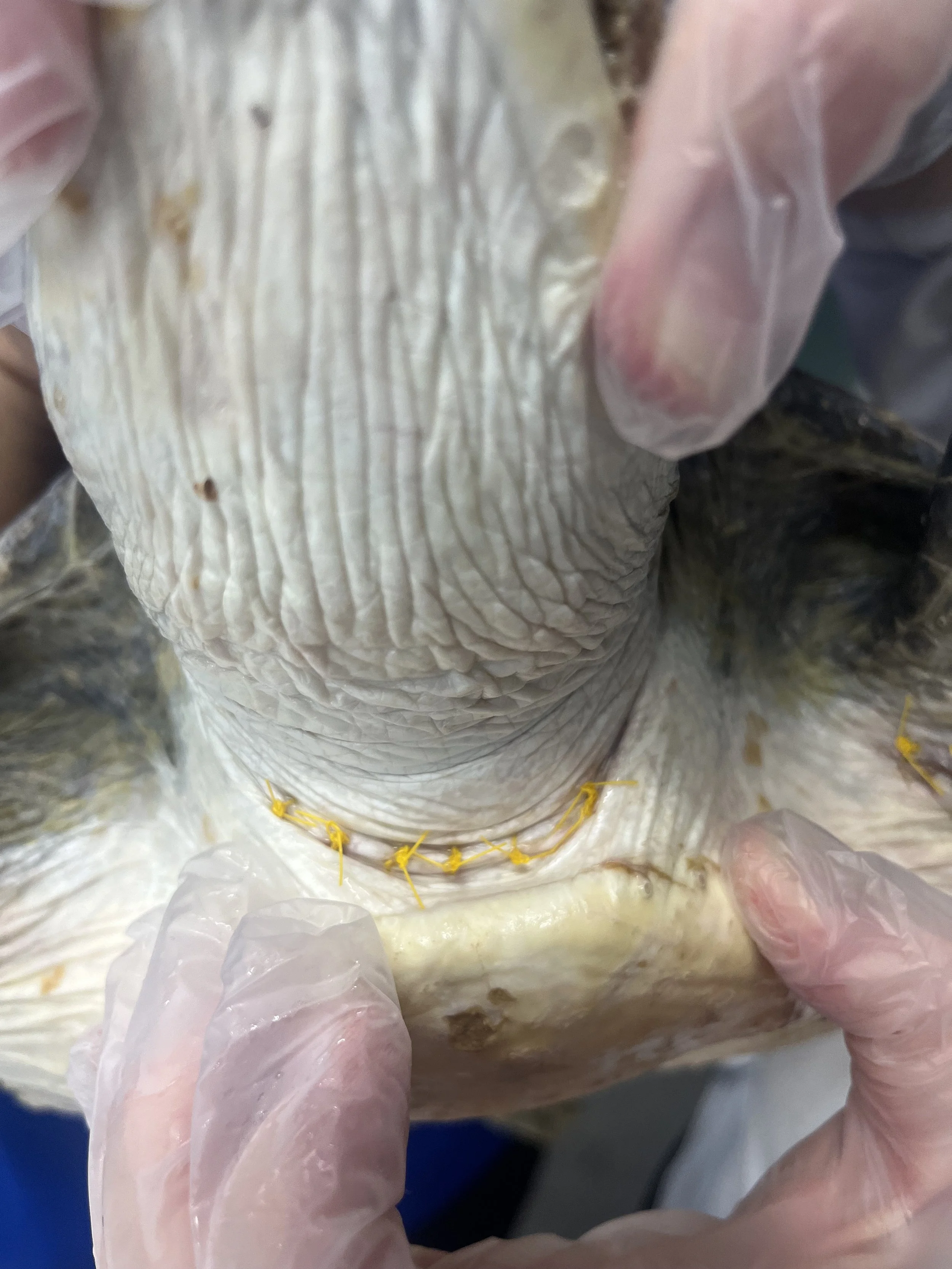
Our rescuer was phoned on our Rescue Hotline about a turtle that had been hooked while a member of the public was fishing. Two divers were there and were able to retrieve Pickles from the water - thankfully, because if the fishing line had been cut to set the turtle free, he would have swum away with a huge hook in his throat and would have died a slow and painful death. He was sent to Byron Bay Wildlife Hospital to have the hook surgically removed. Luckily, the hook was removed successfully, but he now has a long road to recovery. A case like this could take anywhere from 4–6 months of rehabilitation. Pickles was not unwell, had no other injuries and was otherwise in good health. He shouldn’t be in care, but we will give him all the TLC he needs.
Carlos the green sea Turtle
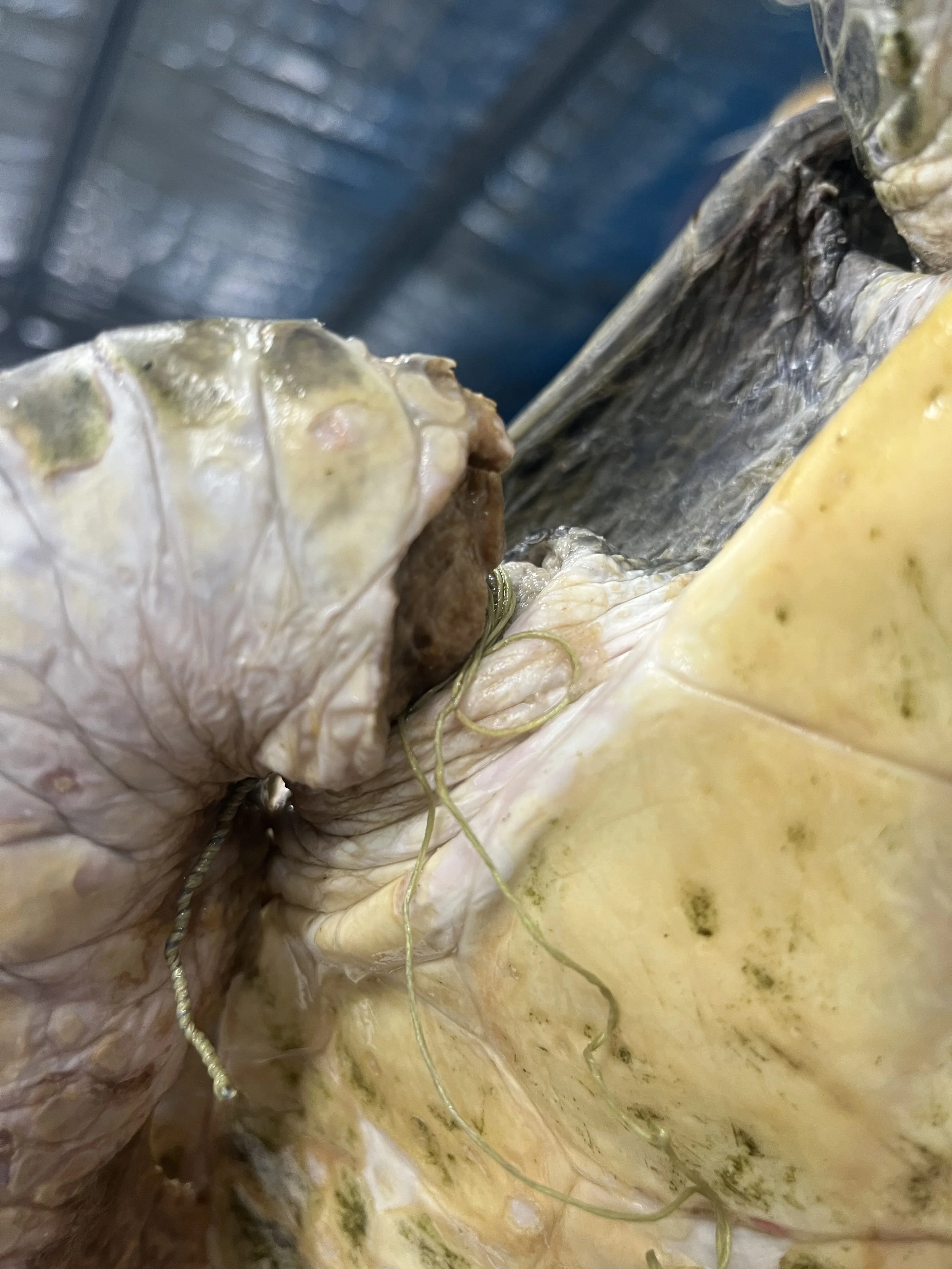
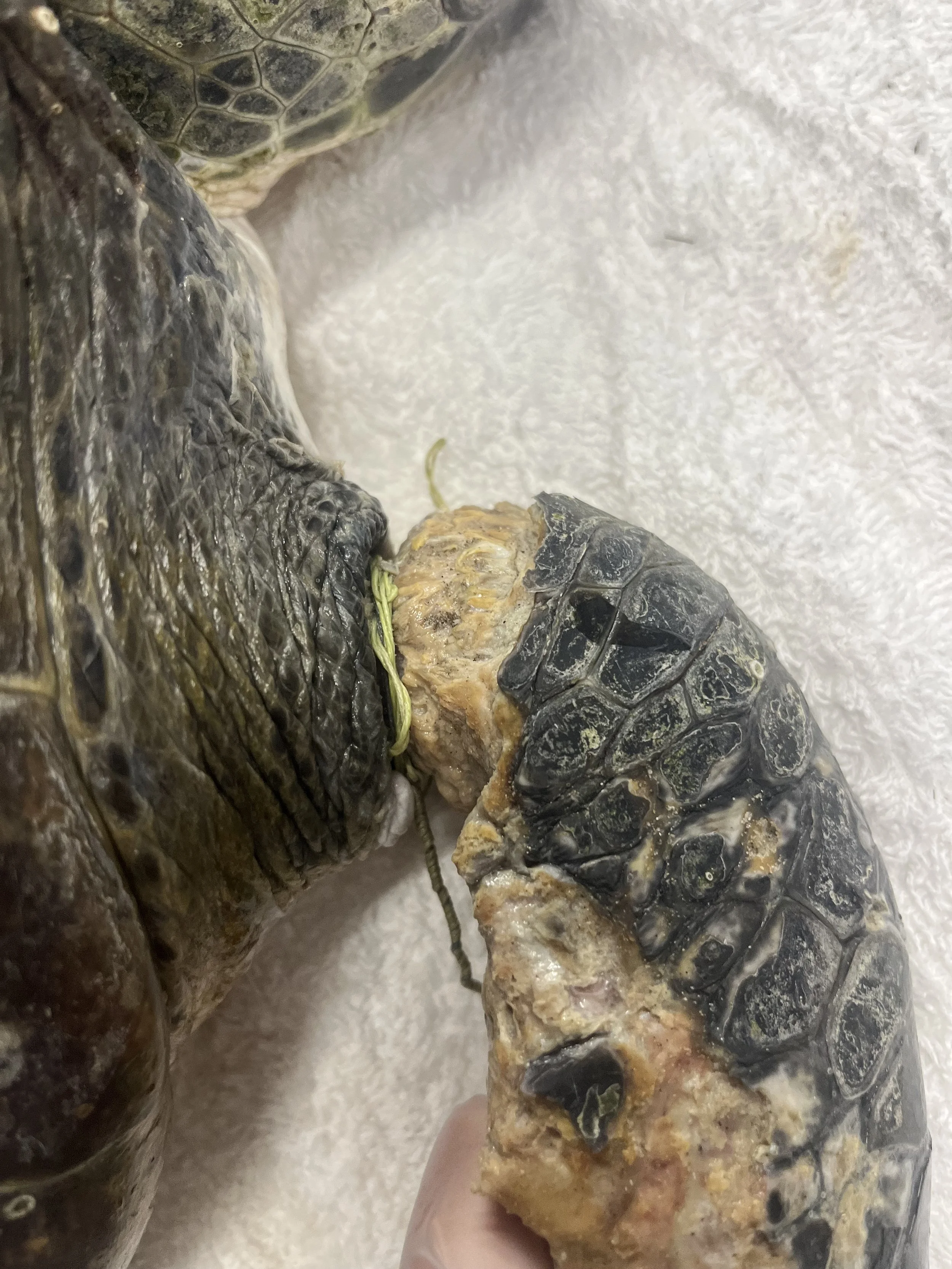
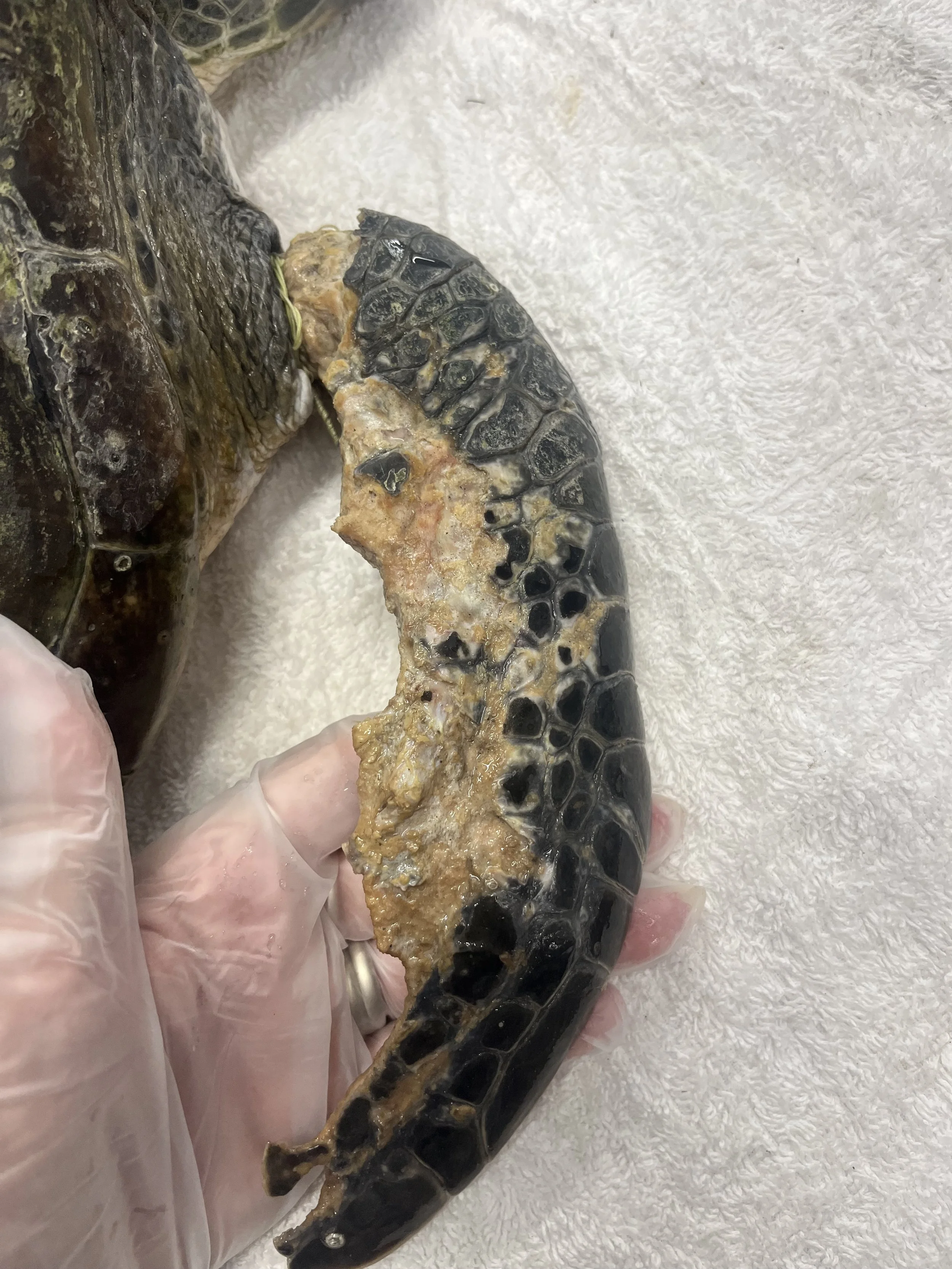
A Green Sea Turtle named Carlos was rescued from Woody Head with fishing braid wrapped so tightly around its right fore flipper that it caused severe damage and the flipper was essentially dying off. The veterinarian considered amputation, but thankfully the turtle’s flipper will be spared. However, with long, intensive daily bandage changes to his flipper and ongoing medication, he too will have a long rehabilitation journey with us.
By Jen Slape, Assistant General Manager
Australian Seabird and Turtle Rescue