
New EU Laws Put Tourism’s Green Claims to the Test
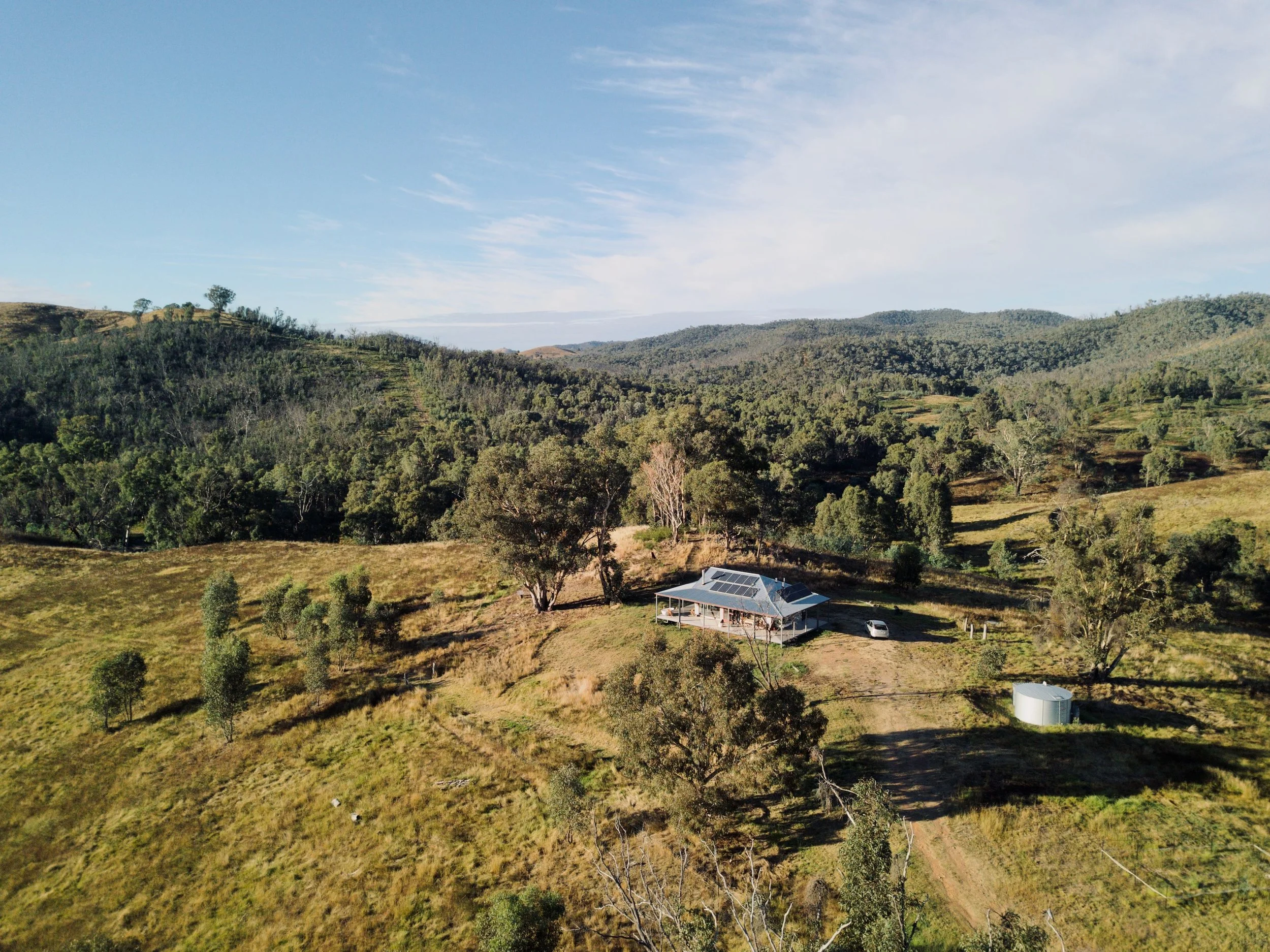
Proceeds from visitor stays at Kestrel Nest EcoHut have helped fund environmental projects including 5,000 local native plants, protection of 222 hectares of Box Gum Grassy Woodland, and enhancement of 111 hectares of native temperate grasslands.
Australian tourism operators marketing to European travellers will soon face tougher rules on environmental claims, placing independently verified sustainability credentials firmly in the spotlight.
Australian tourism operators marketing to European consumers are now subject to new anti-greenwashing legislation; a move welcomed by peak industry body Ecotourism Australia and its network of ECO Certified and Sustainable Tourism Certified operators, who have long championed credible, independently verified standards.
The European Union’s Empowering Consumers for the Green Transition Directive, which comes into effect on 27 September, will strengthen consumer protection rules by prohibiting generic or unsubstantiated environmental claims, such as describing products or services as ‘green’, ‘carbon neutral’ or ‘environmentally friendly’ without clear, verifiable evidence.
The Directive applies to any marketing directed at consumers based in the EU and is particularly relevant to Australian tourism businesses promoting experiences, accommodation or destinations in European markets, including via global booking platforms and intermediaries.
Ecotourism Australia CEO, Elissa Keenan said the new legislation was welcomed by the certified ecotourism industry, and in particular, operators who work tirelessly to provide visitors with authentic eco and sustainable experiences.
“Since introducing the world’s first ECO Certification program in 1996, built on transparency, authenticity and independent auditing, we welcome stronger scrutiny of green claims across the tourism industry. Our certified operators work hard to meet global best practice, with rigorous audits of their operations to substantiate their sustainability claims, while other operators are using labels or imagery that is misleading. These misleading labels, claims and imagery cause confusion for consumers and increases the risk of greenwashing. Choosing certified tourism activities and accommodation assures travellers that products are backed by a strong well-managed commitment to sustainable practices as well as providing high-quality tourism experiences.”

Accor guests can contribute to sustainability when staying with the hotel group, demonstrating travellers’ growing demand for sustainable travel experiences across both leisure and business travel.
Independent certification building trust across global hotel networks
Director of Sustainability for Accor in Australia and the Pacific, David Young, said the new European legislation reinforces the importance of independent certification as the hotel group works towards certifying its network of more than 400 hotels across the region.
“Certifying our hotels through third-party programs such as Ecotourism Australia has been a priority for Accor since 2024, as it helps us to build confidence among all our stakeholders including leisure guests, corporates and our Heartists. It verifies that we are doing what we promise to do and solidifies our ongoing commitment to environmental stewardship and responsible hospitality. Our team is actively embracing the EU Empowering Consumers Directive as it reinforces our investment in obtaining Sustainable Tourism Certification. With this third-party approval we can confidently market to EU travellers knowing that each of our certified hotels has undertaken a rigorous application process and committed to a journey of continuous improvement when it comes to sustainability.”
Mr Young said sustainability is no longer a nice-to-have but a standard expectation, with guest feedback demonstrating growing demand for sustainable travel experiences across both leisure and business travel.
“In addition to the removal of single-use plastics and good food initiatives, our guests have particularly positive feedback for our Skip The Clean initiative, which rewards guests who opt out of daily housekeeping with ALL Reward points. From a B2B perspective, the number of requests from our corporate clients for verified third-party sustainability credentials continues to increase, highlighting the increasing importance of sustainability across all sectors.”

Accor is certifying its network of more than 400 hotels across the region, with the Novotel Sydney Darling Square hotel holding Ecotourism Australia’s Sustainable Tourism Certification.
Small tourism operators creating big impacts
Nestled in the New South Wales Riverina Highlands. Louise Freckelton and David Bray’s luxury off-grid accommodation, Kestrel Nest EcoHut, offers visitors a sustainable farm stay experience at Highfield Farm & Woodland.
Over the past 14 years, the couple have been working to restore biodiversity, protect soils and improve waterways on their property, with proceeds from visitor stays funding environmental projects.
Since opening in 2020, Kestrel Nest EcoHut has helped fund the planting of 5,000 local native plants, protection of 222 hectares of Box Gum Grassy Woodland, and enhancement of 111 hectares of native temperate grasslands.
Surviving the 2019-20 bushfires while under construction, the EcoHut features recycled materials, renewable energy systems and a strong commitment to waste reduction and local sourcing.
As a passionate advocate for environmental stewardship and authentic ecotourism experiences, Lousie Freckelton said she couldn’t be more delighted about the implementation of the new EU regulations.
“A casual look at listing platforms such as Airbnb reveals hundreds of short-stay accommodation providers describing themselves as ‘eco’ or making claims about their sustainability, however, most have no certification to substantiate those claims. We’ve been working to substantiate our sustainability and ecotourism claims for years and have been certified by Ecotourism Australia since 2023. Our Impact Report also documents how we work with guest on waste minimisation, contribute to citizen science and act across a range of other environmental and social measures.”

Luxury off-grid accommodation, Kestrel Nest EcoHut is Ecotourism Australia ECO Certified Advanced and features recycled materials, renewable energy systems and a strong commitment to waste reduction and local sourcing.
Helping travellers choose authentic sustainable and ecotourism experiences
As more travellers seek authentic sustainable and ecotourism experiences, Ms Keenan said looking for certifications that are independently audited by a third-party provides assurance that the operator’s claims are genuine.
“The third-party certification audits are conducted by qualified, independent professionals, which means outcomes are impartial, credible and free from conflicts of interest. Operators who are certified by Ecotourism Australia need to meet more than 300 set criteria encompassing responsible practices across four pillars: environmental, socio-economic, cultural and sustainable management, which are independently and regularly audited by a third-party auditor. Importantly, our certifications are recognised globally and meet global standards. We are a founding member of the Tourism Sustainability Certifications Alliance, a global collaboration of nine certifying bodies who have aligned respective certification programs minimum criteria and auditing processes under an agreed standard.”
When travelling at home, Ms Keenan recommends travellers use Ecotourism Australia’s Green Travel Guide to help with holiday planning.
“The Green Travel Guide lists every ECO Certified and Sustainable Tourism Certified operator and destination in Australia. This is a great way for travellers to search for genuinely sustainable accommodation and tourism experiences in their local area or holiday destination.”
About Ecotourism Australia
Ecotourism Australia is a non-government, not-for-profit organisation, established in 1991, that promotes and supports Australia’s visitor economy through building capacity and actively promoting sustainable tourism operations and systems. Our legacy program – ECO Certification – was the world’s first national ecotourism certification program and the Sustainable Tourism Certification, launched in 2022 supports non-nature-based businesses achieve global best-practice. Today there are some 2,500 accommodation, tours and attractions certified by Ecotourism Australia. Ecotourism Australia is also a founding member of the Tourism Sustainability Certifications Alliance (TSCA), a global association for sustainable tourism established in January 2025. TSCA members are responsible for certifying more than 19,000 travel and tourism enterprises, organisations, and destinations across the globe – representing the largest cohort of certified operators worldwide.