
Why We’re Falling Back in Love with Analogue Hobbies
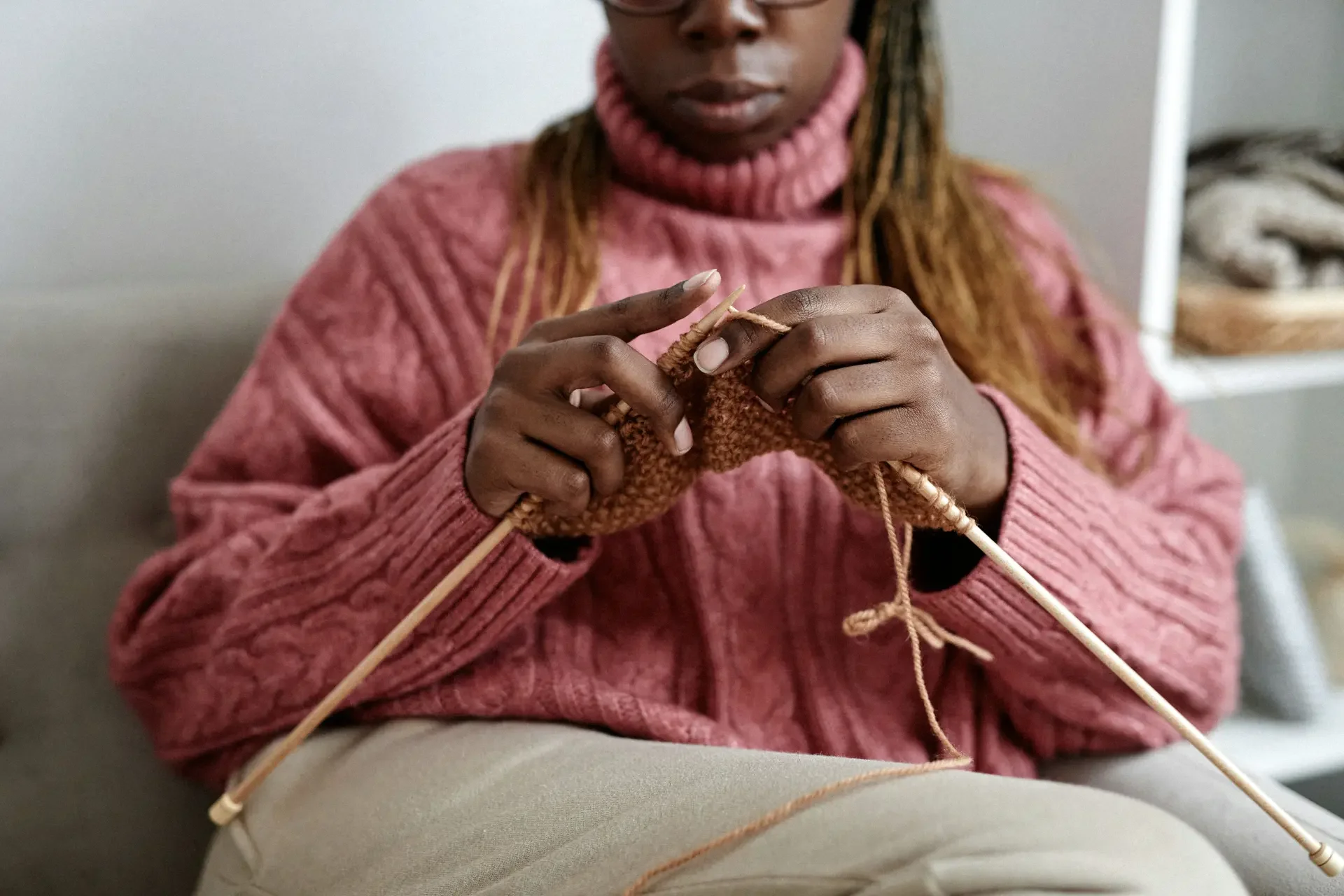
10 Reasons More of Us Are Putting Down Our Phones and Picking Up Knitting Needles
Something curious is happening.
Book clubs are full. Waiting lists for pottery classes stretch for months. Young people are taking up knitting, gardening, bread making and birdwatching. Vinyl records are outselling CDs. Film cameras have made a comeback. Jigsaw puzzles are no longer just for rainy holidays.
At first glance, it feels nostalgic. But this isn't about going backwards.
It's about finding our way back to something we've quietly lost.
After years of living online, many of us are craving activities that don't require notifications, passwords or Wi-Fi. We want to make things with our hands. To learn skills that take time. To sit in silence without feeling the need to capture every moment.
The rise of analogue hobbies isn't simply a trend, but a response to modern life.
Here are ten reasons they're flourishing again.
1. They Give Our Brains a Break
Our attention has become one of the world's most valuable commodities. Every app, advertisement and social platform competes for it.
Analogue hobbies ask for something different.
Whether you're knitting a scarf, tending tomatoes or sketching in a notebook, there is only one thing to focus on. Your mind slows down. Your breathing softens. Time stretches.
Instead of consuming endless information, you're simply present.
2. We Crave Things That Feel Real
Much of modern life now exists on screens.
We work digitally, socialise digitally, shop digitally and increasingly entertain ourselves digitally. It's no wonder so many people find satisfaction in activities that produce something tangible.
A loaf of sourdough.
A finished puzzle.
A thriving vegetable patch.
A jumper you've knitted yourself.
Holding something you've created offers a kind of satisfaction no download ever could.
3. They Teach Us Patience Again
Analogue hobbies don't happen instantly.
Seeds take weeks to sprout. Quilts take months to sew. Books take time to finish. Pottery requires practice before it resembles anything useful.
In a culture built on immediate gratification, slow progress feels surprisingly refreshing.
We're rediscovering that some of life's greatest rewards simply can't be rushed.
4. They're an Antidote to Constant Productivity
Many of us have forgotten how to do something purely because we enjoy it.
Every spare moment can become an opportunity to improve ourselves, build a side hustle or optimise our lives. Analogue hobbies gently reject that idea.
You don't need to monetise your embroidery.
Your watercolour paintings don't need an audience.
The vegetables from your backyard don't need to outperform the supermarket.
Sometimes it's enough simply to enjoy making something.
5. They're Good for Our Mental Wellbeing
There's a reason therapists often recommend activities like gardening, knitting and journalling.
Repetitive, hands-on tasks can reduce stress, quiet anxious thoughts and create a sense of calm. They help anchor us in the present rather than worrying about tomorrow.
Many people describe entering a gentle state of flow, where hours pass almost unnoticed.
In a noisy world, that's becoming increasingly valuable.
Sometimes the best way to move forward is to unplug. From knitting and gardening to reading, pottery and bread making, analogue hobbies are making a quiet comeback as more of us seek slower, simpler ways to reconnect with ourselves, our communities and the joy of creating something by hand.
6. They Connect Us With Older Generations
Many analogue hobbies are skills once passed down through families.
Crocheting with a grandmother.
Learning woodworking from a parent.
Growing vegetables the way your grandfather did.
Baking from handwritten recipe books stained with flour and butter.
As these traditions return, they're reconnecting us with people, stories and knowledge that might otherwise have disappeared.
7. They Create Community
While technology promises connection, analogue hobbies often deliver it.
Community gardens.
Local knitting circles.
Book clubs.
Repair cafés.
Neighbourhood choirs.
People gather not because they need to network, but because they share an interest.
Conversation happens naturally when everyone's hands are busy. Friendships often follow.
8. They're a Quiet Form of Sustainability
Making, repairing and growing things naturally encourages us to consume less.
We mend clothes instead of replacing them.
We grow herbs instead of buying plastic packets each week.
We borrow books from libraries rather than endlessly purchasing new ones.
Many analogue hobbies remind us that slowing consumption doesn't feel like deprivation. It often feels deeply satisfying.
9. They Help Us Rediscover Wonder
There is something quietly magical about watching bread rise.
Seeing the first flower bloom.
Finishing the final page of a novel.
Developing film photographs without knowing exactly how they'll turn out.
Analogue hobbies invite us to notice small moments that digital life often rushes past.
Wonder, it turns out, doesn't always arrive through big adventures. Sometimes it's hiding in your backyard.
10. They Remind Us That We Don't Need to Be Online All the Time
Perhaps this is the biggest reason of all.
Analogue hobbies create spaces where phones naturally stay in our pockets. Not because someone tells us to switch off. Because we simply forget about them.
An hour spent reading, painting or weeding the garden rarely leaves us feeling depleted. More often, we emerge feeling lighter, calmer and somehow more ourselves.
Maybe that's what we're really searching for.
The analogue revival isn't about rejecting technology. Most of us aren't giving up smartphones or moving off-grid anytime soon.
It's about restoring balance.
A little less scrolling.
A little more making.
A little less consuming.
A little more creating.
Perhaps the real luxury today isn't speed or convenience. It's having the time to lose yourself in something beautifully, wonderfully real. Something you can touch.