Julie Choi on Rescuing Seoul’s Street Cats
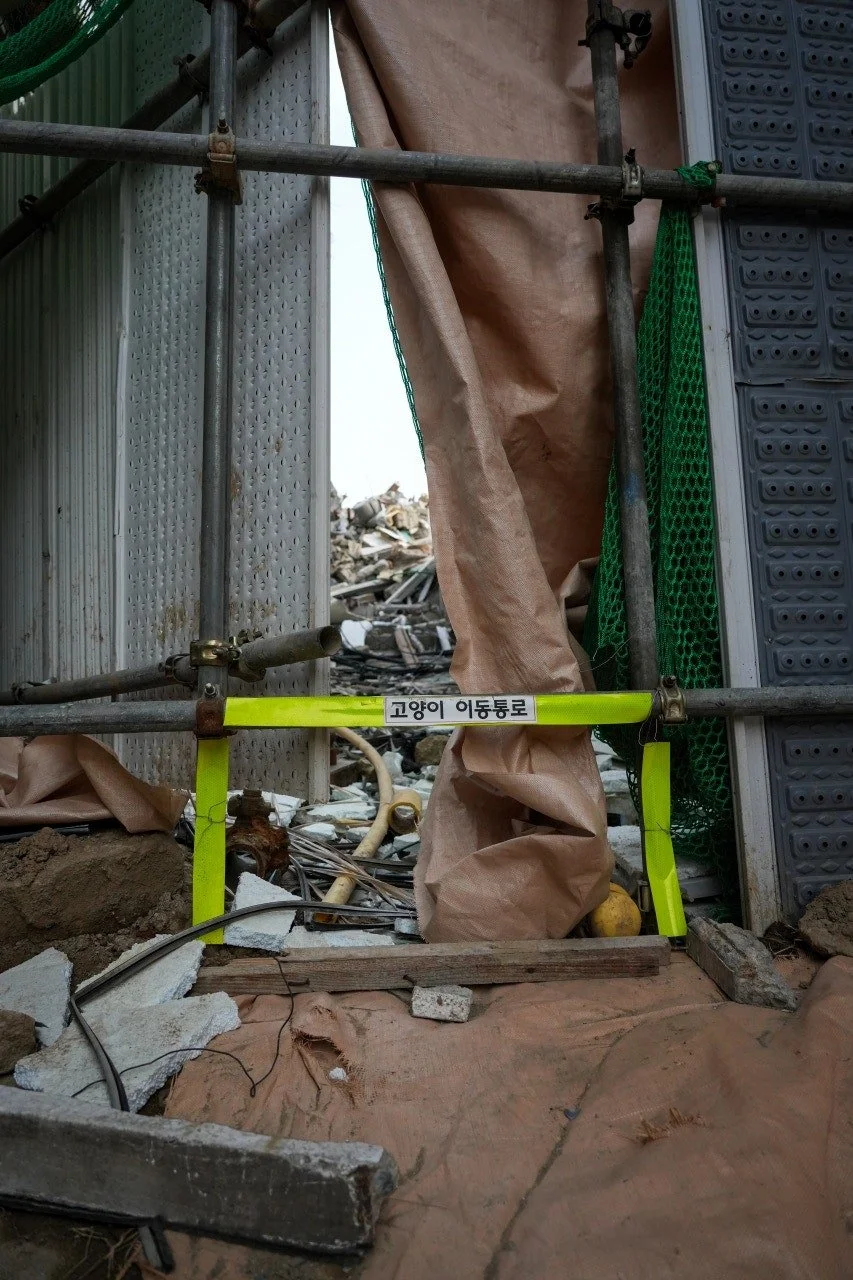
In the rapidly changing neighbourhoods of Seoul, redevelopment does not only displace people. As buildings empty, fences rise and familiar pathways disappear, street cats lose the feeding places, shelters and caregivers they have depended on for years.
Independent rescuer Julie Choi is the person behind YongsanCats, a community working to protect cats across the redevelopment areas of Bogwangdong and Hannamdong. With the support of local caregivers, veterinarians, foster families, adopters and donors around the world, Julie coordinates rescues, medical treatment and pathways to permanent homes. When YongsanCats was given just one month to leave its temporary shelter inside a demolition zone, she helped move more than 30 cats into safe foster homes.
Julie shares the quiet, painstaking work behind street-cat rescue, the story of a remarkable mother cat named Ara and what these animals have taught her about patience, community and noticing lives that are too easily overlooked.
As redevelopment transforms Seoul’s neighbourhoods, YongsanCats is helping vulnerable street cats find safety, care and lasting homes.
Can you tell us a little about yourself and how you became involved in caring for Seoul's street cats?
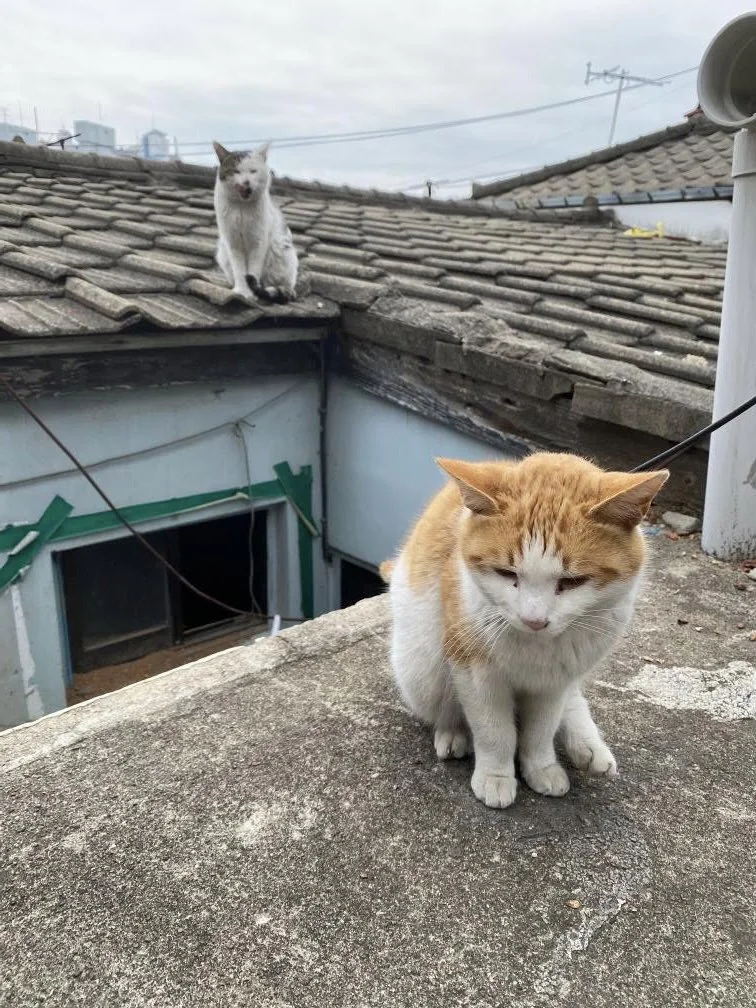
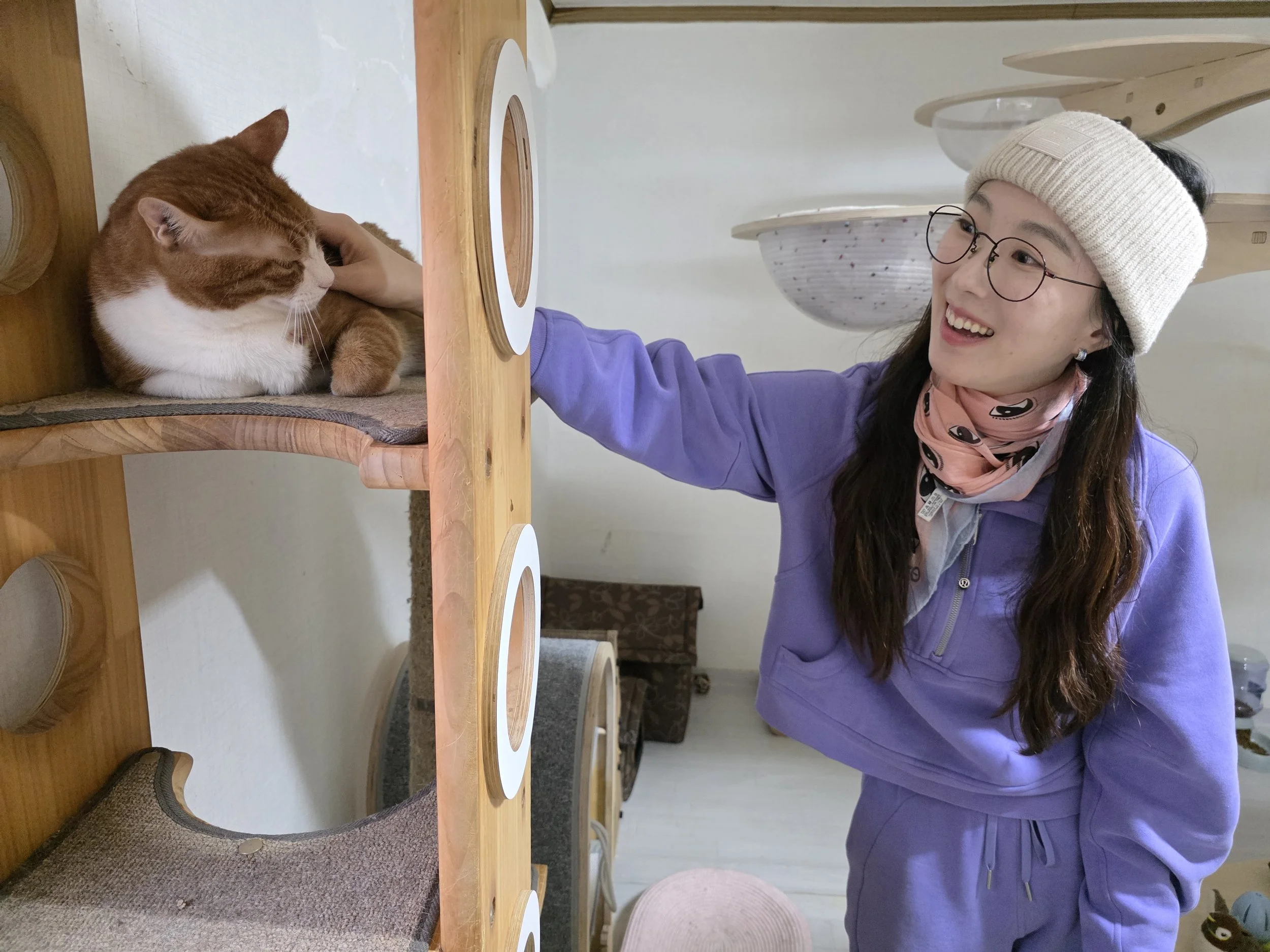
I'm Julie Choi, an independent cat rescuer in Seoul and the person behind YongsanCats. My work centres on cats mainly living in neighbourhoods affected by redevelopment, particularly in Bogwangdong and Hannamdong. I work with local caregivers, veterinarians and foster families to get cats out of danger and help them recover.
For me, the responsibility is very personal. Once you know a cat and the places they depend on, it is difficult to see those places disappear and simply hope someone else will help. Caring for them means thinking beyond today's meal: whether they need treatment, where they can safely stay, and who will still be there for them afterwards.
What is YongsanCats and how has its work developed over time?
YongsanCats is the name I use for our community and for sharing the cats’ stories. I am an individual rescuer, but the work depends on people who contribute in different ways: caregivers who know the cats well, vets who provide treatment, fosters who open their homes, adopters who become their forever families, and donors who make this care possible.
More than 95% of our volunteers, fosters, and adopters are expatriates living in Korea. Most of our donors are also foreigners, some living in Korea and others supporting the cats from abroad. YongsanCats has therefore developed into an international community rooted in local rescue work.
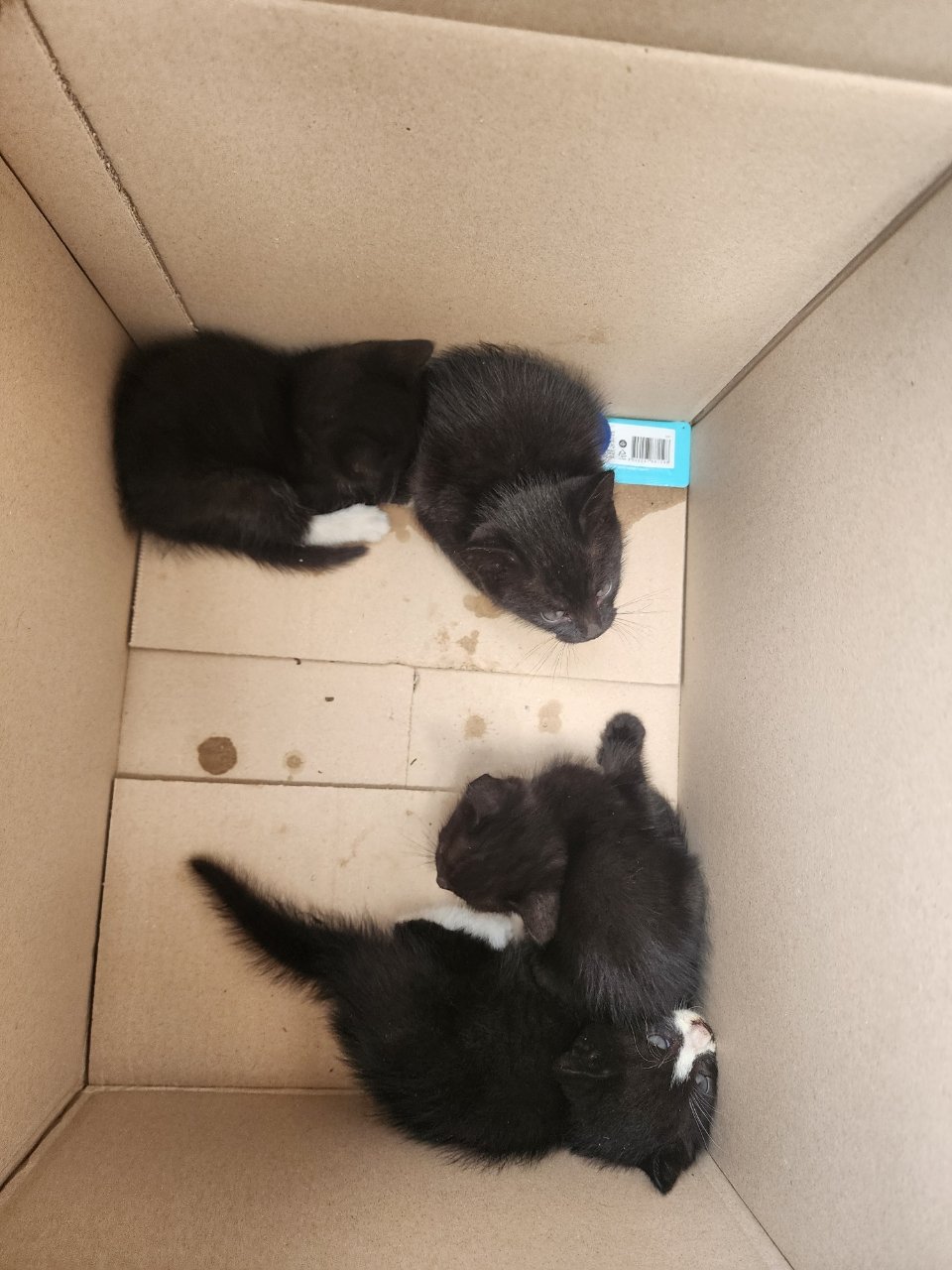
For a time, we operated a temporary shelter inside the demolition zone. It ran from the summer of 2025 until 22 April 2026. We were given one month’s notice to leave, and I had to arrange veterinary visits and individual foster homes for more than thirty cats. All of them are now safely indoors in people’s homes.
That move changed the work considerably. Much of my attention now goes toward managing the medical concerns for cats, keeping those placements stable and finding lasting homes for the cats.
How is redevelopment in Yongsan and Hannam affecting local street cats, their feeding places and the people who care for them?
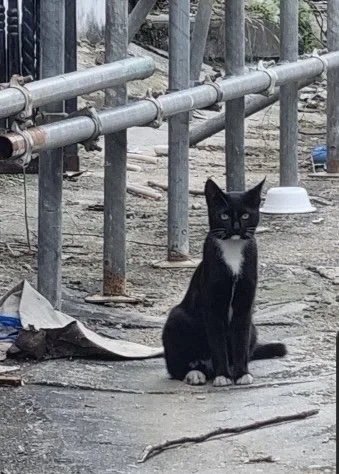
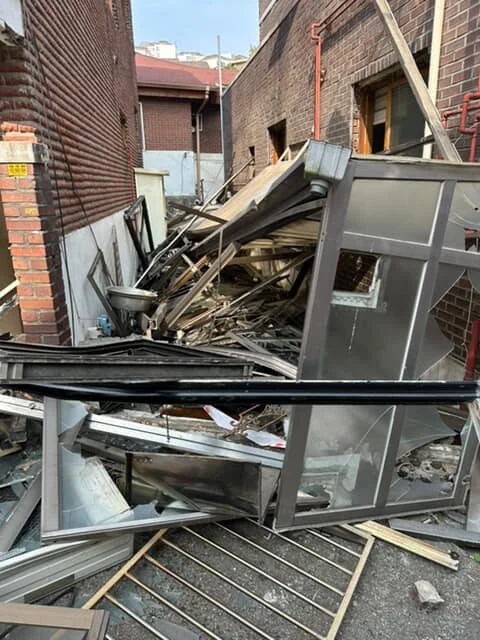
The disruption begins before demolition itself. Residents move away, buildings are emptied and familiar routes are closed. A place that looks vacant may still be where a cat sleeps, shelters from the weather or returns for food.
Caregivers can lose access to cats they have known for years. Sometimes the cats are still there, but reaching them has become much harder. The people who move out may also be the ones who would notice an injury or a missing animal. We are trying to maintain that care while the surroundings keep changing. It is much harder to help once access has already been lost.
What happens when a familiar feeding spot is fenced off or a cat suddenly disappears?
The first thing is to work out what we actually know. When was the cat last seen? Who saw them? Has another caregiver noticed them nearby? Photos and precise locations help us avoid confusing one cat with another. We need to look for safe, permitted ways to check the places they may have moved to.
A missed visit does not tell us what has happened, but it is hard not to worry when demolition is approaching. Even if we find the cat, we still need a plan for veterinary care and somewhere safe to go. The uncertainty is one of the hardest parts: you are trying to act quickly without making assumptions that could put the cat or a person at risk.
Can you share the story of one particular cat that captures the challenges and rewards of this work?
Ara was pregnant and living around a partially collapsed building in the redevelopment area. Her companions were rescued, but she would not enter the trap. Eventually, after repeated efforts, we brought her to a foster home.
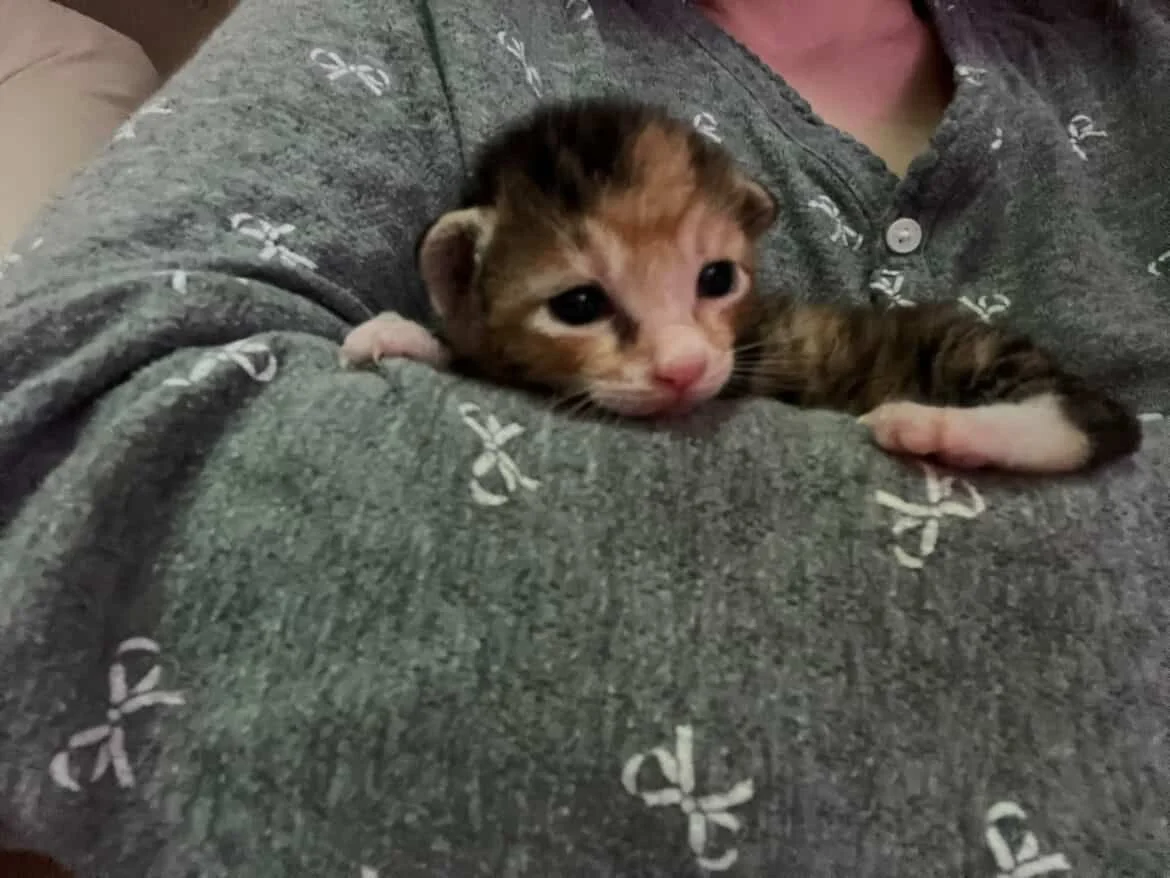
During labour, her first kitten died shortly after birth. Her second, Ari, survived, but the third died before delivery, putting Ara in danger. She needed an emergency caesarean and was spayed. A foster caregiver looked after Ari while she recovered, and they were reunited the next day. Ara accepted him immediately.
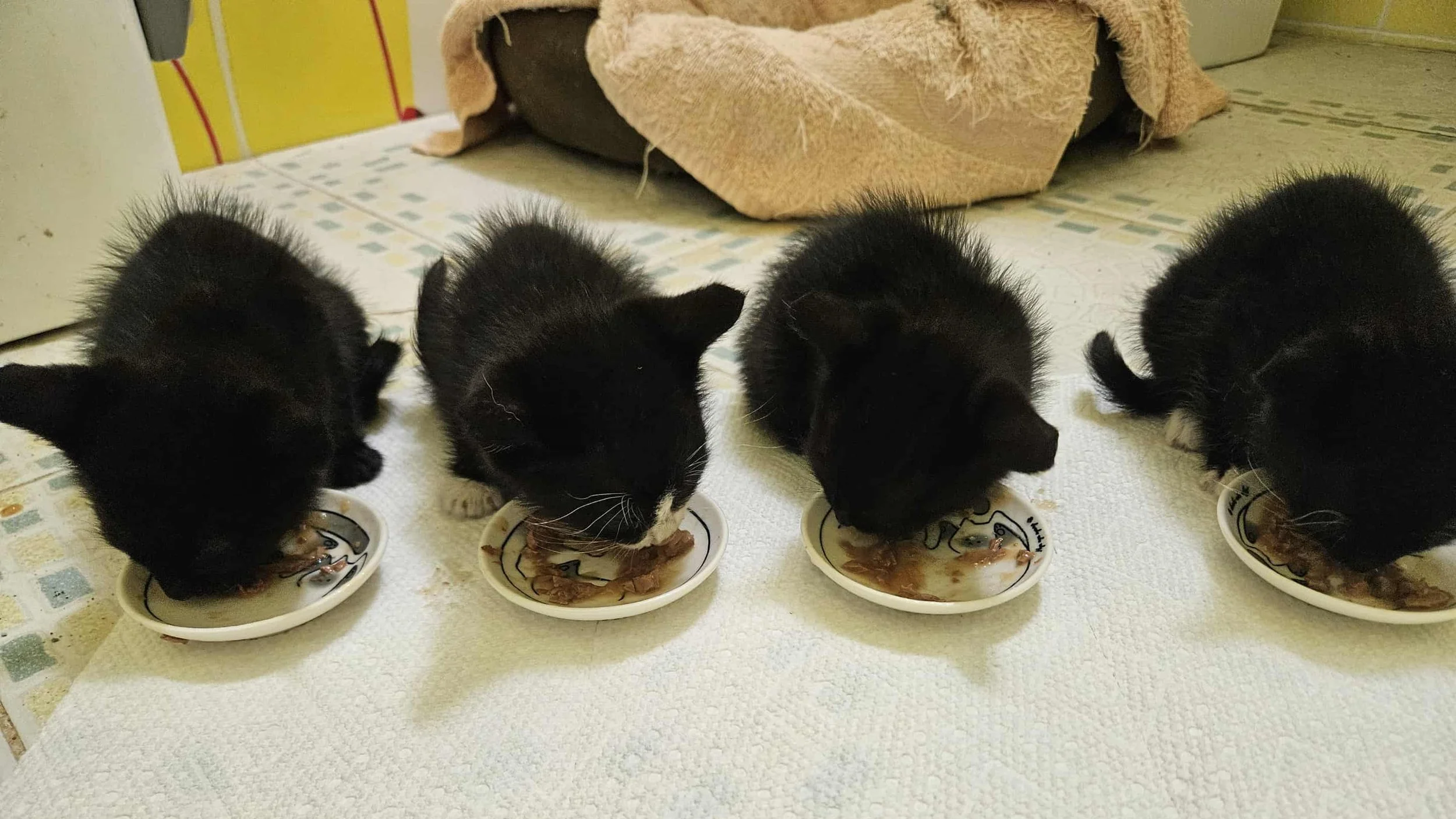
Soon afterwards, another street cat who had been hit by a car gave birth to five premature kittens and could not care for them. Ara accepted all five while still recovering herself. Sadly, only two survived. She raised those two alongside Ari.
I wish we could have saved every kitten. What gives me hope is that Ara and the surviving babies had people able to help at each stage. Getting her out of the building mattered, but so did the emergency treatment, the newborn care and the foster home that made room for them. That is what a rescue often involves long after the moment people see in a photograph. Now they are waiting for their forever home at their foster home.
How do local caregivers find, identify, and keep track of cats as neighbourhoods change?
People who see the same cats regularly notice things a visitor might miss: coat markings, the shape of an ear, which cats stay together, or the time a particular cat usually appears. We compare photographs and sightings, including where and when each cat was seen. Individual cat profiles also help us keep their identities, histories, and care needs connected.
The most important part is staying in contact with the people who know the cats. A photograph is useful, but so is a caregiver reporting that a particular cat has stopped coming for food. We need both, and we must be honest when we are not yet certain that a sighting involves the right cat.
This process has traditionally been tedious, difficult, and largely analogue. Information is often scattered across messages, photographs, handwritten notes, and the memories of individual caregivers. Keeping those records accurate becomes even harder when neighbourhoods are changing and cats are moving between locations. To address this, we have built a Pawpi app that helps caregivers share reliable information, coordinate care, and look after stray cats together more safely and systematically.
What are the greatest challenges facing YongsanCats, particularly in providing medical care, foster homes, and adoption pathways?
Finding people who can foster for long enough is a constant struggle. A home gives a cat individual attention and someone who can notice changes in its health or behaviour. But a foster’s circumstances can change, and we may then need to find another placement for a cat that has only just settled.
Medical care, transport, and suitable recovery space all have to come together. An urgent case does not pause the needs of the cats already in care. I manage most of this coordination and logistics myself, which makes it difficult to balance immediate emergencies with ongoing responsibilities.
Fundraising is therefore both critical and a constant challenge. Veterinary treatment, food, supplies, transport, and foster support create continuing costs, but raising funds requires time and sustained communication—the same time needed to coordinate care. We have a Patreon through which people can provide monthly support. These recurring contributions help make ongoing expenses more predictable, although we still depend on additional donations when emergencies or major medical cases arise.
Adoption takes patience as well, especially for cats that are shy or require ongoing treatment. I want to find homes that understand the individual cat they are welcoming, so that reaching safety becomes a lasting change rather than another temporary stop.
What have these cats taught you about patience, community and noticing what others might overlook?
They have taught me that I cannot set the timetable for trust. A cat can be physically safe and still need a long time to feel safe. Giving them that time is part of caring for them, even when there is no dramatic progress to share.
I also appreciate how much depends on ordinary commitments. Someone makes room in their home. Someone keeps checking on a cat after the neighbourhood changes. Someone notices that an animal is missing and tells us. I rely on people doing those things, and I hope sharing the cats' stories helps more people recognise how valuable that kind of attention can be.
How can people in Seoul and internationally support YongsanCats and the cats currently needing care?
In Seoul, patient foster homes and suitable adopters can make an enormous difference, especially when someone can offer stability rather than care for only a few days. Help with transport and other practical needs also matters. Please get in touch about current needs via instagram message so that we can work out what would be a good fit.
People overseas can help a cat’s story reach someone who may be able to offer a home, or introduce our work to a journalist, podcast host, or interested community. Sharing an accurate story with the right person can lead to something very practical for a cat.
Following YongsanCats on Instagram is especially important because it helps more people see and share our current rescue, foster, and adoption needs. People can also join our Patreon as either free or paid members. Free membership helps grow the community and keeps supporters connected to our work, while paid membership provides dependable monthly support for food, veterinary treatment, transport, and the continuing care of cats in foster homes.
Our Instagram carries regular updates, and the press kit provides further background for anyone interested in covering or sharing the work.
Instagram: https://www.instagram.com/yongsancats/
YongsanCats Website: https://www.yongsancats.com/en